
- Your cart is empty
- Continue Shopping
HYPERTENSION (HIGH BLOOD PRESSURE)
- Diseases & Drugs
- Posted on
-
by enavec_pharmacy
- 0 comments
🕑10 min read
What is Hypertension?
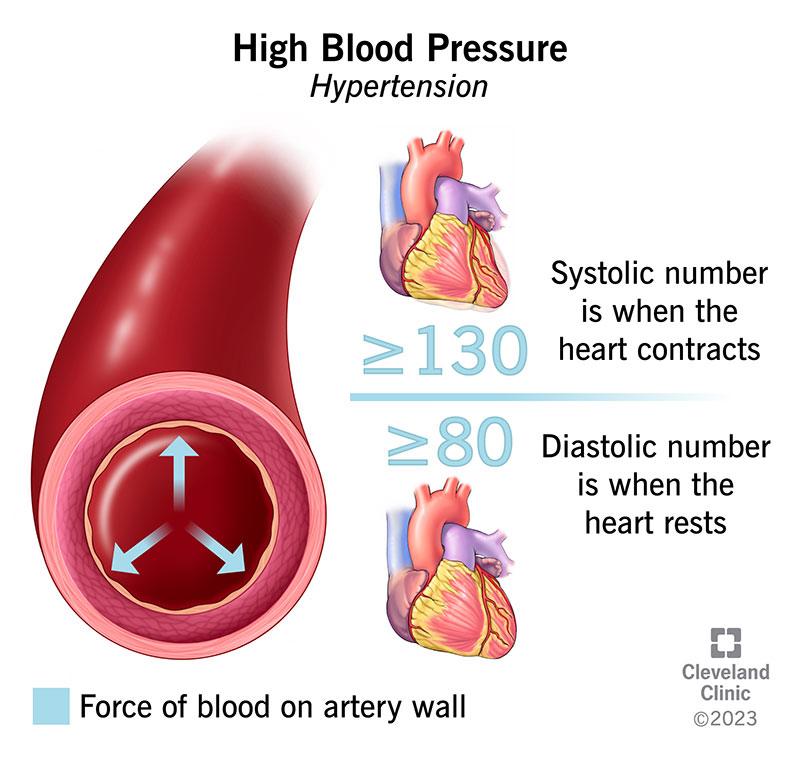
High Blood Pressure is the pressure exerted against the artery walls of the blood circulatory system that’s above the normal pressure the walls can contain. As time goes on, if the pressure is consistently high, it can result in damage to the arteries, which in turn can lead to stroke, kidney failure, or heart attack.
In many cases, it doesn’t have any symptoms. So you can move on with your daily lives without noticing any damage in your body sytem.
Blood pressure (BP) is the force of blood pushing against blood vessels. Blood Pressure has two readings and they are measure in millimeters of mercury (mmHg).
Systolic Blood pressure: This is the pressure in the arteries when the heart contracts. The normal systolic blood pressure in adult is 120mmHg
Diastolic Blood pressure: This is the pressure in the arteries when the heart dialates. The normal Diastolic blood pressure is 80mmHg.
|
Blood Pressure Category |
Systolic Blood Pressure |
Diastolic Blood Pressure |
|
Normal |
< 120mmHg |
<80mmHg |
|
Elevated |
120-129 mmHg |
80mmHg |
|
Stage 1 Hypertension |
130-139mmHg |
80-89mmHg |
|
Stage 2 Hypertension |
>140mmHg |
>90mmHg |
Medical practitioners have agreed a blood pressure of 130/80mmHg can be considered normal for patients above the age of 40 years. Below 130/80mmHg can be considered normal for patients below the age of 40 years.
What are the types of High Blood Pressure
These Two types of High Blood pressure can be categorized as a result of its causes.
- Primary High Blood Pressure: This kind of High Blood Pressure is caused by aging and lifestyle
- Secondary High Blood Pressure: This kind of High Blood Pressure is due to medical conditions like kidney failure or drug related. This is as a result of the side effects of some medications like painkillers, antidepressants, birth control pills, etc.<
Symptoms & Causes
Causes
Before going into the causes of High Blood Pressure, you must need understand what homeostasis is.
Homeostasis refers to the body’s ability to maintain a stable internal environment despite changes in the external environment.
There are two kinds of feedback mechanisms in homeostasis
Positive feedback: This kind of feedback amplifies changes in the body that last for a short period of time.
Negative feedback: This kind counteracts changes in the body back to the normal set point. This is the mechanism via which blood pressure is regulated in the body.
Our body is made to adapt to changes in our current environment, for instance: When the temperature of the room you are in rises about the normal temperature of the skin which is around 35 oC, your body produces sweat to cool off the heat on your skin, then another example of the effect of homeostatis in our body is blood pressure, when the blood pressure rises, it makes the heart beat rate low and causes the arteries to dilate, so as to accommodate the pressure on the arteries.
In a normal scenario, when a person is engaged in a strenuous activity like exercising or lifting something heavy, their blood pressure naturally goes up to pump more glucose and nutrients to every part of the muscle engaged to efficiently carryout the exercises, but when they are done with the strenuous exercise the blood pressure naturally returns to the normal blood pressure by the help of homeostatis
“But in the case of those that suffer high blood pressure, theres no physical reason for the blood pressure to go up and the homeostatis regulator is not active to regulate it. This make the blood pressure of the patient constantly high which inturn brings a damaging effect on the entire blood circulatory system as well as other systems in the body.”
Symptoms:
In most cases, theres are no physical symptoms, like pain, fever, nausea etc. Its the reason many refer to it as a silent killer.
But there are some little signals you should pay attention, when you have them its most likely you are hypertensive.
- Excruciating headache
- Palpitation
- Eye pain
Complications
Angina and heart disease: Angina is chest pain that signals the presence of heart disease. Hypertensive heart disease refers to changes in your heart’s function and structure caused by high blood pressure. Both angina and heart disease can increase the risk of further heart complications.
Heart attack: A heart attack occurs when the arteries in your heart become blocked, stopping blood flow. High blood pressure can lead to a heart attack by putting extra pressure on your arteries, causing damage and blockages.
Heart failure: Over time, high blood pressure forces your heart to work harder, leading to its enlargement. As a result, your heart may struggle to pump blood effectively, which can result in heart failure.
Diagnosis
Blood Pressure Measurement:
Blood pressure is recorded in millimeters of mercury (mm Hg) and consists of two numbers: systolic (the top number, which measures pressure when the heart beats) and diastolic (the bottom number, which measures pressure between heartbeats).
Diagnostic Thresholds:
– Normal: Less than 120/80 mmHg
– Elevated: 120-129/80 mmHg (considered prehypertension)
– Hypertension (Stage 1): 130-139/80-89 mmHg
– Hypertension (Stage 2): 140/90 mmHg or higher
Diagnosis Process:
A healthcare provider measures your blood pressure using a sphygmomanometer, a device that includes a cuff and pressure gauge. Multiple readings may be taken to ensure accuracy and rule out “white coat hypertension” (a rise in blood pressure due to anxiety in a clinical setting).
Home Blood Pressure Monitoring:
The American Heart Association suggests home blood pressure monitoring to help healthcare providers assess the effectiveness of treatment and track your condition.
Ambulatory Blood Pressure Monitoring:
This method involves wearing a device that measures blood pressure continuously throughout the day and night. It’s especially useful in confirming a diagnosis, particularly in cases of “white coat hypertension.”
Management & Treatment
- Central-acting agents. These are medications that lower blood pressure by directly affecting the brain to reduce nerve signals, which in turn decrease heart rate and constrict blood vessels, ultimately promoting vessel relaxation and lowering blood pressure. Examples include clonidine , guanfacine and methyldopa.
- Vasodilators. These are drugs that dilates the blood vessels. They stop the muscles of the artery walls from constricting. This prevents the arteries from narrowing. Examples include Minoxidil, hydralazine etc.
- Aldosterone antagonists. These are also called mineralocorticoid receptor antagonist (MRA). These drugs blocks the effect of aldosterone which is a hormone that regulate the sodium and water level of the body, which leads to increase in urination which reduces the blood volume as well as the blood pressure. These medications can be used to treat resistant hypertension by blocking the action of a natural chemical that causes salt and fluid retention in the body. Examples are spironolactone, Finerenone, eplerenone etc.
- Renin inhibitors. These blockers are responsible for blocking an enzyme called renin which is involved in the renin-Angiotesinin-Aldosterone system which is responsible for the regulation of the blood pressure,body fluid and electrolyte level. It reduces the production of renin, an enzyme released by the kidneys that triggers a series of chemical processes that raise blood pressure. Example of renin inhibtors is Aliskiren
- Beta blockers. These are blockers that inhibits the beta adrenergic receptors in the blood vessels, thereby dilating the blood vessels which leads to reduced blood pressure. These medications lessen the strain on the heart and dilate the blood vessels, allowing the heart to beat more slowly and with less force. Beta blockers include atenolol, metoprolol, propranolol etc.
- Alpha blockers. These Anti-hypertensives medicines helps dilate the blood vessels which in turn lowers the blood pressure. In general, the Alpha blockers aids the dilation or relaxation of smooth muscles all around the body. Examples of Alpha blockers include Prazosin, Tamsolusin, Doxazosin
- Alpha-beta blockers. These are blockers that inhibits the alpha and beta adrenergic receptors in the blood vessels thereby dilating the blood vessels which leads to reduced blood pressure. Alpha-beta blockers aids the blocking of the nervous signals to blood vessels and slow the heartbeat. They reduce the amount of blood that must be pumped through the vessels. Examples of Alpha-beta blockers include labetalol, carvedilol, Dilevalol etc.
- Calcium channel blockers. These Anti-hypertensive drugs works by reducing the heart rates which in turn reduces the pressure in the blood vessels. They include amlodipine, Diltiazem, Felodipine, Nifedipine etc. Avoid consuming grapefruit or grapefruit products while taking calcium channel blockers. Grapefruit can raise the blood levels of some calcium channel blockers, potentially leading to harmful effects.
- Angiotensin II receptor blockers (ARBs). These Anti-hypertensive drugs works like the ACE inhibitors. The difference is that it blocks the receptor responsible for the narrowing of the blood vessels, thereby making the blood vessels constantly dilated. Some of the drugs include: Losartan , candesartan, Valsartan, Irbesartan, etc.
- Angiotensin-converting enzyme (ACE) inhibitors: These Anti-hypertensive drugs inhibits the enzyme that leads secretion of Angiotensin II, which is a hormone-like substance that helps in narrowing the blood vessels. Examples include enalapril, lisinopril, captopril, benazepril etc. The major side effect is dry cough.
-
Diuretics: These drugs help reduce the volume of blood in the system by removing excess water and sodium from the body.
There are different classes of diuretics
Theses include
- Thiazide Diuretics: hydrochlrothiazide, indapamide, bendromethiazide, Chlorthialidone.
- Loop Diuretics: Frusemide, Torsemide, bumethanide.
- Potassium sparing Diuretics: Spironolactones, Amiloride, Epelerone, Triamterene
Any of these medications used for treatment is dependent on the blood pressure and other health conditions, such as heart or kidney failure.
A common side effect of diuretics is increased urination. Urinating a lot can reduce potassium levels. A good balance of potassium is necessary to help the heart beat correctly. If you have low potassium (hypokalemia), your provider may recommend a potassium-sparing diuretic that contains triamterene.
A typical side effect of diuretics is frequent urination, which can lead to a decrease in potassium levels. Maintaining a proper balance of potassium is crucial for normal heart function. If you experience low potassium, your healthcare provider may suggest a potassium-sparing diuretic such as Spironolactone, Amiloride, triamterene etc.
Prevention
Eating a balanced diet: Managing your blood pressure involves cutting back on sodium (salt) and boosting your potassium intake. Aim to eat foods that are low in fat and incorporate plenty of fruits, vegetables, and whole grains. One dietary strategy that can help reduce blood pressure is the DASH (Dietary Approaches to Stop Hypertension) eating plan.
Maintaining a healthy weight: Carrying excess weight or being obese raises your risk of developing high blood pressure. Keeping a healthy weight can help manage blood pressure and lower your chances of experiencing other health issues..
Limiting alcohol: Excessive alcohol consumption can raise your blood pressure and contribute to weight gain by adding extra calories. Reducing alcohol intake can help maintain a healthy blood pressure and weight.
Not smoking: Smoking cigarettes raises your blood pressure and increases your risk of heart attack and stroke. If you don’t smoke, avoid starting. If you do smoke, consult your healthcare provider to find the best method to help you quit.
Managing stress: Finding ways to relax and handle stress can enhance both your emotional and physical health, helping to lower high blood pressure. Stress management strategies include regular exercise, listening to music, focusing on calming thoughts, and practicing meditation.
Getting enough high-quality sleep.
Control your cholesterol and blood sugar: High blood sugar and elevated levels of “bad” non-HDL cholesterol increase the risk of heart disease. To manage both cholesterol and blood sugar, adopt the same healthy habits that help lower blood pressure: eat a balanced diet, exercise regularly, maintain a healthy weight, and avoid smoking. Be sure to follow your healthcare professional’s guidance on managing cholesterol and blood sugar levels.
Found this helpful? Share it:
⚠️
Medical & Affiliate Disclaimer This article is for informational purposes only and does not constitute medical advice. Always consult a qualified healthcare provider before starting any supplement or medication. Some links in this post are affiliate links - if you purchase through them, Enavec Pharmacy may earn a small commission at no extra cost to you.
