
- Your cart is empty
- Continue Shopping
Cancer in Africa: Symptoms, Causes, Treatment & Statistics
- Stats & Data
- Posted on
-
by enavec_pharmacy
- 0 comments
Commonly Searched Topics
Reader Locations
🔬 Clinical Data Report · ICD-11: 2A00–2F9Z
Cancer in Africa: Symptoms, Causes, Treatment & Statistics
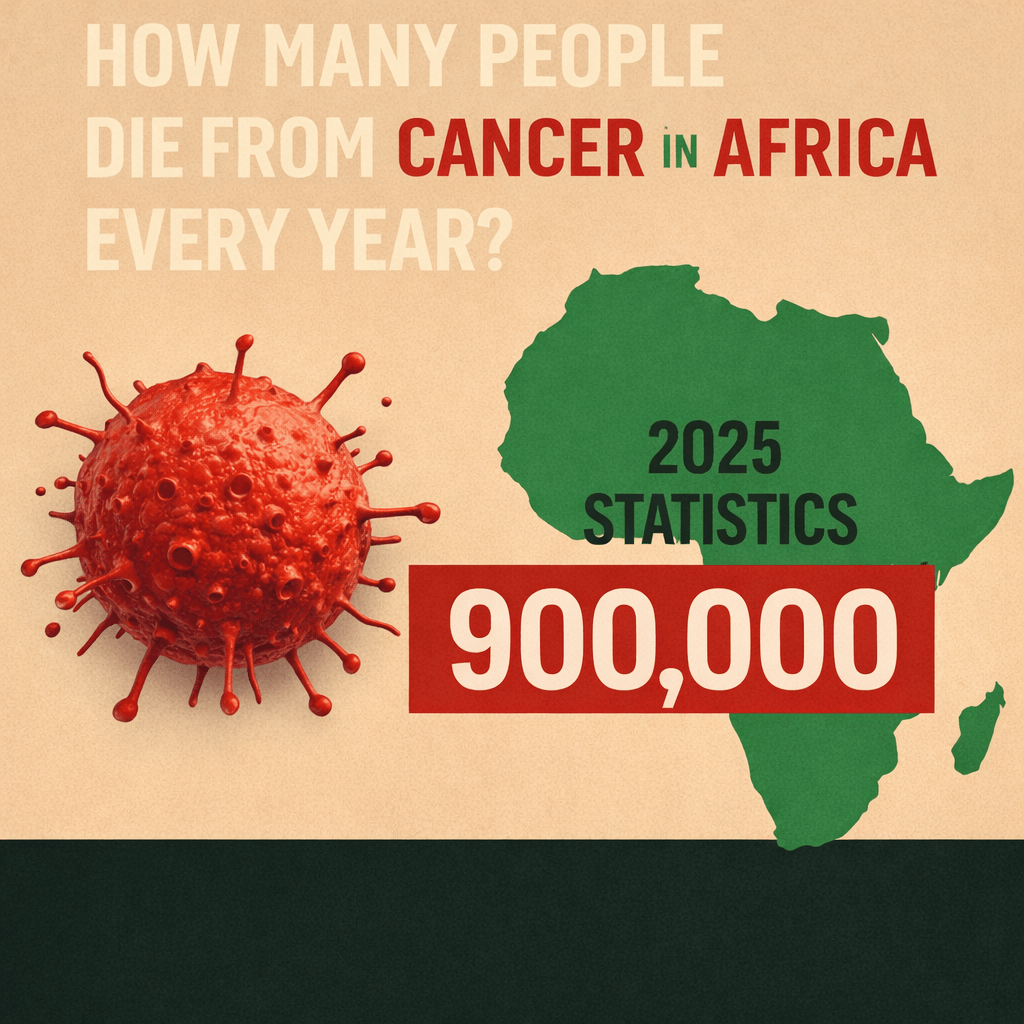
Africa recorded 1.1 million new cancer cases and 711,000 deaths in 2020. Without urgent action, sub-Saharan Africa's cancer deaths could reach 1 million per year by 2030. Cancer is now the fifth leading cause of death on the continent — and Africa's case fatality rate is among the highest in the world due to late-stage diagnosis and limited treatment infrastructure.
711,000
Cancer deaths in Africa per year (2020) — rising rapidly
1.1 Million
New cancer cases recorded in Africa in 2020 — GLOBOCAN
>70%
Of Nigerian cancer patients present at Stage III or IV — too late for cure
Sources: GLOBOCAN 2022 (Bray et al. CA Cancer J Clin 2024) · Frontiers in Public Health 2022 · Lancet Oncology Commission on SSA 2022 · PMC / IAEA 2025
⚡ Featured Answer
Cancer is not one disease but a group of more than 100 related diseases, all characterised by the uncontrolled growth and spread of abnormal cells. These cells can invade nearby tissues and organs (locally), or travel through the bloodstream and lymphatic system to form new tumours in distant parts of the body (metastasis). In Africa, cancer is the fifth leading cause of death, killing over 711,000 people every year — a number projected to nearly double by 2030.
The human body is made up of trillions of cells that grow, divide, and die in a controlled cycle. Cancer begins when the DNA inside a cell is damaged or mutated, causing that cell to grow and divide uncontrollably. These abnormal cells accumulate to form a mass called a tumour. Malignant (cancerous) tumours invade surrounding tissue; benign tumours do not. Cancer can originate in virtually any organ — over 200 distinct types have been described.
In Africa, cancer's burden is disproportionately severe because the continent's case fatality rate exceeds its incidence share. Africa accounts for only 5.7% of global cancer incidence, but 7.2% of global cancer deaths — reflecting late-stage diagnosis, limited treatment access, and high rates of infection-driven cancers that are harder to treat. Most Africans who develop cancer will die from it; in high-income countries, most survive.
🧬 How Cancer Develops — The Hallmarks of Cancer
All cancers share these six fundamental biological capabilities, regardless of type or location
Uncontrolled Growth
Cancer cells ignore normal "stop dividing" signals. They sustain their own growth without external stimulation.
Evades Death
Normal cells self-destruct (apoptosis) when damaged. Cancer cells disable this process and become immortal.
Builds Blood Supply
Tumours grow their own blood vessels (angiogenesis) to supply nutrients. This is how a tiny lesion becomes lethal.
Invades & Spreads
Cancer cells break through tissue barriers, enter the bloodstream, and seed new tumours in distant organs — metastasis.
🪪
Cancer — Disease Identity Card
Disease Type
Group of 200+ non-communicable malignant diseases; leading NCD killer in many countries
ICD-11 Codes
2A00–2F9Z (Neoplasms chapter); e.g. breast 2C6Y, cervical 2C77, prostate 2C82, lung 2C25
Systems Affected
Any organ or tissue; most common: breast, cervix, prostate, liver, colorectum, lung (Africa)
Onset
Typically develops over years to decades; acute onset of symptoms usually indicates advanced disease
Transmission
Not contagious. Some infection-associated cancers (HPV→cervical, HBV→liver) have infectious precursors
Notifiable Status
Reportable to NCDC/NICRAT in Nigeria; mandatory reporting in UK (NICE), USA (CDC-NPCR), Canada (PHAC)
Vaccine-Preventable
Partly — HPV vaccine prevents cervical cancer; HBV vaccine prevents liver cancer (both WHO-recommended)
Global Deaths (2022)
9.7 million per year globally; 711,000 in Africa (2020) — rising annually
Africa 5-year Survival
Typically 20–40% for many cancers vs 60–85% in high-income countries — due to late-stage presentation
Nigeria Annual Cases
~269,109 new cases (2022 GLOBOCAN); ~127,763–128,000 per IAEA/NICRAT estimates; ~79,000+ deaths
5th Cause of Death
Cancer is now the 5th leading cause of death in Africa (Frontiers in Public Health 2022)
MIR (mortality-to-incidence)
Africa's MIR for breast cancer = 0.51 (world's highest) vs 0.15 in high-income countries — reflects treatment gap
Cancer has no single cause. It results from an accumulation of genetic mutations in a cell over time, triggered by a combination of inherited susceptibility, environmental exposures, lifestyle factors, and infectious agents. In Africa, infection-driven cancers are especially prominent — HPV, HBV, and HIV together cause approximately 27% of all incident cancers on the continent.
Non-Modifiable Factors
- Age: Most cancers are more common over 40–50. As Africa's population ages, cancer burden will rise dramatically — projected 2× increase in cases by 2040
- Sex: Breast and cervical cancers predominate in women; prostate cancer in men. Gender-specific cancers drive 60%+ of African cases
- Inherited gene mutations: BRCA1/BRCA2 (breast/ovarian), Lynch syndrome (colorectal), TP53 mutations. African women with BRCA mutations present with breast cancer up to a decade younger than White counterparts
- Ethnic/ancestral risk: Men of African descent carry 2.5× higher risk of dying from prostate cancer than European men — both genetic and treatment access factors
Modifiable Lifestyle Factors
- Tobacco use: Leading preventable cause of cancer worldwide. Smoking rates in Africa are rising — predicted 41% increase 2010–2025. Causes lung, oral, oesophageal, and bladder cancer
- Alcohol: Causes liver, oesophageal, colorectal, breast, and oral cancers. Very high alcohol use disorder prevalence in parts of West Africa
- Overweight and obesity: Rising rapidly with urbanisation. Linked to breast (post-menopausal), colon, endometrial, and kidney cancers
- Physical inactivity: Westernised sedentary lifestyles increase colon, breast, and endometrial cancer risk
- Red and processed meat: WHO Group 1 carcinogen (processed meat) — increases colorectal cancer risk
Infectious & Environmental Causes
- HPV (Human Papillomavirus): Causes virtually all cervical cancers — #1 cancer killer of African women in sub-Saharan Africa. Also causes anal, penile, oropharyngeal cancers
- Hepatitis B & C (HBV/HCV): Chronic hepatitis causes 75–80% of liver cancers in Africa. Nigeria has one of the world's highest HBV prevalence rates
- HIV/AIDS: HIV dramatically increases risk of Kaposi sarcoma, non-Hodgkin lymphoma, and cervical cancer. SSA has the world's highest HIV burden
- Helicobacter pylori: Causes stomach cancer. High prevalence in parts of sub-Saharan Africa
- Aflatoxin: Fungal contamination of stored groundnuts and grains — a potent liver carcinogen highly relevant in Nigeria
- UV/solar radiation: Skin cancer — more common in lighter-skinned populations of North and South Africa; less so in West Africa but still relevant in albinism
Nigeria-Specific Risk Factors
- Low HPV vaccination coverage: Nigeria's HPV vaccination programme has low coverage — leaving millions of women unprotected against cervical cancer, the country's #2 cancer killer in women
- Widespread HBV infection: ~13% of Nigerians carry chronic HBV (WHO 2020 estimate) — driving one of Africa's highest liver cancer rates. Many are unaware of their status
- Aflatoxin exposure: Widespread consumption of improperly stored groundnuts, maize, and groundnut oil — a significant liver cancer risk factor poorly quantified in Nigeria
- Smoked fish and preserved foods: Common in South-South and South-East Nigeria — associated with elevated oesophageal cancer risk
- Limited screening awareness: Lack of routine mammography, pap smear, and PSA screening means most cancers are diagnosed only when symptomatic — i.e. at advanced stages
- Traditional medicine delays: Many Nigerians consult traditional or spiritual healers first, delaying evidence-based diagnosis by months to years
⚡ Featured Answer
Cancer symptoms vary by type and stage — many early cancers are entirely symptom-free, which is why screening is critical. Common warning signs include unexplained weight loss, a new lump or swelling, persistent pain, unusual bleeding, changes in bowel or bladder habits, and a sore that won't heal. In Nigeria, over 70% of patients present with Stage III or IV disease, when cure is rarely possible — making symptom awareness a matter of life and death.
Africa's Most Common Cancers — By Cases and Deaths
1
Breast Cancer
198,300New cases/yr Africa
91,300Deaths/yr Africa
Most common female cancer in 32 of 54 African countries. Nigeria has Africa's highest absolute incidence (32,278 cases) and deaths (16,332). MIR of 0.51 — world's highest.
2
Cervical Cancer
~80,000New cases/yr SSA
~50,000Deaths/yr SSA
Leading female cancer killer in most of sub-Saharan Africa (ranks 2nd in North Africa). Almost entirely caused by HPV — a largely preventable cancer. Late diagnosis drives mortality.
3
Prostate Cancer
93,173New cases/yr Africa
47,249Deaths/yr Africa
Leading cancer in African men. Men of African descent carry 2.5× higher risk of dying from prostate cancer than European men. Disproportionately high mortality in Nigeria.
4
Liver Cancer
~60,000New cases/yr Africa
~58,000Deaths/yr Africa
Extremely high case fatality — most die within months of diagnosis. Driven by chronic HBV/HCV infection and aflatoxin exposure. Preventable with HBV vaccination.
5
Colorectal Cancer
~50,000New cases/yr Africa
~38,000Deaths/yr Africa
Rapidly rising with westernised diet and urbanisation. Ranked 4th most common cancer in Nigeria (men). Screening colonoscopy is rarely available in sub-Saharan Africa.
6
Non-Hodgkin Lymphoma
~35,000New cases/yr Africa
~25,000Deaths/yr Africa
HIV-associated malignancy with particularly high prevalence in SSA. Burkitt lymphoma — a type common in children — is endemic in parts of West Africa including Nigeria.
The 7 Universal Warning Signs of Cancer — CAUTION Acronym
The CAUTION Warning Signs — Memorise These:
C — Change in bowel or bladder habits | A — A sore that does not heal | U — Unusual bleeding or discharge | T — Thickening or lump in breast or elsewhere | I — Indigestion or difficulty swallowing | O — Obvious change in a wart or mole | N — Nagging cough or hoarseness. Any of these lasting more than 2–3 weeks requires urgent medical review.
C — Change in bowel or bladder habits | A — A sore that does not heal | U — Unusual bleeding or discharge | T — Thickening or lump in breast or elsewhere | I — Indigestion or difficulty swallowing | O — Obvious change in a wart or mole | N — Nagging cough or hoarseness. Any of these lasting more than 2–3 weeks requires urgent medical review.
🟢 Early / Vague Symptoms
- Unexplained fatigue lasting weeks
- Unexplained weight loss (>5% body weight)
- Mild persistent cough or hoarseness
- Subtle change in a skin lesion or mole
- Mild, intermittent pain in one area
- Changes in menstrual pattern (women)
🟡 Concerning Symptoms
- Palpable lump in breast, neck, armpit, or groin
- Blood in urine (haematuria) or stool
- Post-coital or post-menopausal vaginal bleeding
- Persistent difficulty swallowing (dysphagia)
- Jaundice (yellowing of skin or eyes)
- Bone pain, especially at night
- New-onset night sweats
🔴 Advanced / Emergency Symptoms
- Rapidly growing mass anywhere in the body
- Severe, unrelenting pain unresponsive to analgesia
- Coughing up blood (haemoptysis)
- Neurological changes: seizures, vision loss, severe headache
- Spinal cord compression: weakness or paralysis of limbs
- Superior vena cava syndrome: face swelling, breathlessness
Red Flag Emergency Symptoms — Go to Hospital Immediately
These symptoms require same-day hospital attendance. Do not wait for a GP appointment. In Nigeria, go directly to the nearest Teaching Hospital oncology or emergency unit.
- 🔴Seizures or sudden severe headache with no prior history — possible brain metastasis or primary brain tumour
- 🔴Sudden weakness or paralysis of limbs, loss of bladder/bowel control — possible spinal cord compression from bone metastasis
- 🔴Coughing up significant amounts of blood — haemoptysis; possible lung cancer or pulmonary embolism
- 🔴Bowel obstruction: absolute constipation, distended abdomen, vomiting — possible colorectal cancer obstruction
- 🔴Rapidly enlarging neck/throat mass causing breathing difficulty — possible lymphoma or thyroid cancer
- ⚠️Rapid, unexplained 10%+ weight loss in under 2 months + fatigue + fever — investigate for haematological malignancy
🔬 Diagnostic Tests for Cancer
| Test | What It Detects | When Ordered | Nigeria Availability |
|---|---|---|---|
| Clinical Breast Examination (CBE) | Palpable breast lumps, lymph node enlargement | Annual screening women 25+; any new breast symptom | All primary care |
| Mammography | Breast cancer in pre-symptomatic stage; masses <1cm | Screening women 40–74; diagnostic work-up of breast lumps | Teaching hospitals |
| Pap Smear / HPV DNA Test | Cervical pre-cancerous cells (CIN) and cervical cancer | Women 25–65 every 3–5 years; any abnormal vaginal bleeding | Secondary/tertiary |
| PSA (Prostate-Specific Antigen) Blood Test | Elevated PSA: suggests prostate cancer; interpret with DRE | Men 50+ annually (40+ if African descent or family history) | Available nationwide |
| Ultrasound (abdominal/pelvic/breast) | Liver masses, pelvic tumours, breast lesions | First-line imaging in Nigeria; available and affordable | Available nationwide |
| CT Scan / MRI | Tumour size, location, spread; staging | After initial imaging/biopsy; surgical or treatment planning | Tertiary centres |
| Tissue Biopsy (core needle or excision) | Definitive diagnosis — confirms malignancy and cell type | Essential for any suspected cancer before treatment begins | Teaching hospitals |
| AFP / CEA / CA-125 tumour markers | AFP: liver cancer; CEA: colorectal; CA-125: ovarian | Monitoring known cancers; screening high-risk patients | Available nationwide |
| Full Blood Count + LDH + ESR | Haematological malignancies (leukaemia, lymphoma); anaemia | Unexplained fatigue, weight loss, lymphadenopathy | Available nationwide |
| VIA/VILI (Visual Inspection with Acetic Acid) | Cervical pre-cancer and cancer — low-cost alternative to Pap smear | Cervical screening in low-resource settings — widely recommended in Nigeria | PHC level (some) |
Top 8 Cancer Types in Africa by Annual Deaths (2020)
GLOBOCAN 2020 · Frontiers Public Health 2022
Source: Frontiers in Public Health 2022 · Sharma et al. GLOBOCAN 2020 Africa data · 54 African countries combined
Africa's Disproportionate Cancer Mortality Burden — Incidence vs Deaths (2022 Global %)
GLOBOCAN 2022 · CA Cancer J Clin 2024
Africa has 5.7% of global cancer incidence but 7.2% of deaths — proof of a system that fails at treatment. Source: Bray et al. GLOBOCAN 2022, CA Cancer J Clin 2024
⚡ Featured Answer
Cancer treatment depends on cancer type, stage, patient health, and available resources. The four main modalities are surgery, chemotherapy, radiotherapy, and targeted/immunotherapy. In Nigeria and most of sub-Saharan Africa, access to all four is severely limited — fewer than 30 cancer treatment centres serve Nigeria's 220 million people, and only a handful of functional radiotherapy machines exist nationwide — forcing many patients to seek treatment abroad at catastrophic cost.
| Treatment | How It Works | Best For | Efficacy | Nigeria Access |
|---|---|---|---|---|
| Surgery (Oncological) | Physical removal of tumour and margins; may include lymph node dissection or organ removal. First-line curative treatment for solid tumours when localised | Breast, cervical, colorectal, prostate, liver tumours at early/localised stages | Curative (early stage) | Available at 27 cancer treatment centres; quality varies widely; specialist surgical oncologists very scarce |
| Chemotherapy | Cytotoxic drugs kill rapidly dividing cells. Given IV or orally in cycles. Used alone (haematological cancers) or in combination with surgery/radiotherapy | Leukaemia, lymphoma, breast, ovarian, colorectal, lung cancers; adjuvant post-surgery | High (disease-specific) | Most tertiary hospitals have chemotherapy units. Cost ₦600,000–1.5M per session. Cancer Health Fund covers some costs at 6 centres nationwide |
| Radiotherapy (External Beam) | High-energy radiation destroys DNA in cancer cells. Linear accelerators (LINACs) deliver precisely targeted beams. May be curative or palliative | Breast, prostate, cervical, head & neck, brain, lung cancers | High when available | Critical shortage: Nigeria has <10 functional LINACs for 220M people; only LUTH Lagos, National Hospital Abuja among top centres. Northeast patients travel 1,000+ km |
| Hormone Therapy | Blocks or lowers hormones that fuel cancer growth. Key for hormone-receptor-positive cancers | Breast cancer (tamoxifen, aromatase inhibitors); prostate cancer (androgen deprivation) | High (HR+ cancers) | Tamoxifen generally available; aromatase inhibitors scarce and expensive; androgen deprivation available at major centres |
| Targeted Therapy | Drugs that target specific proteins or pathways driving cancer. More selective than chemotherapy — fewer side effects | HER2+ breast cancer (trastuzumab/Herceptin); CML (imatinib); some lung and liver cancers | High (biomarker-selected) | Very limited access in Nigeria; Herceptin extremely expensive; imatinib available via access programmes at some centres |
| Immunotherapy (checkpoint inhibitors) | Drugs like pembrolizumab, nivolumab activate the immune system to recognise and kill cancer cells | Melanoma, lung cancer, cervical cancer (MSI-H), head and neck cancers | High in select tumours | Almost unavailable in Nigeria; prohibitive cost; not yet on NHIA formulary |
| Brachytherapy (Internal Radiation) | Radioactive seeds or wires placed inside or near the tumour. Highly concentrated local dose | Cervical cancer (high-dose rate brachytherapy), prostate cancer | High for cervical Ca | LUTH Lagos has HDR brachytherapy — has performed 215+ sessions since 2019. Very limited outside Lagos/Abuja |
| Palliative Care / Pain Management | Symptom management, pain control (opioid analgesia), psychosocial support. Not curative — focused on quality of life | All advanced/metastatic cancers; all patients regardless of stage | Essential — all stages | Severely underdeveloped in Nigeria. Morphine access extremely limited in many states. NICRAT developing national palliative framework |
| HPV Vaccination (Gardasil / Cervarix) | Prevents HPV infection — the cause of virtually all cervical cancers. Also prevents vaginal, vulval, anal, and oropharyngeal cancers | Girls aged 9–14 before sexual debut (highest efficacy); up to age 26 in unvaccinated | Up to 99% prevention | Included in Nigeria's national childhood immunisation schedule; coverage remains low. Free in PHC under NPHCDA/Gavi programme |
| HBV Vaccination | Prevents hepatitis B infection — the cause of 75–80% of African liver cancers. Three-dose schedule | All children at birth (birth dose critical); high-risk adults | 95% prevention of chronic HBV | Available free in Nigeria's EPI schedule for infants. Adult catch-up vaccination available at health facilities |
🇳🇬 Nigerian Treatment Context — 2025
27
Cancer treatment centres for 220 million Nigerians (2022)
<10
Functional radiotherapy LINACs nationwide — all concentrated in Lagos and Abuja
₦2B+
Cancer Health Fund disbursed since 2019 — 1,616 patients treated
Nigeria's National Institute for Cancer Research and Treatment (NICRAT) was established in 2023 — a landmark milestone — alongside a National Strategic Cancer Control Plan (NSCCP) 2023–2027. The Cancer Health Fund (CHF) now covers up to ₦2 million in treatment costs (chemotherapy, radiotherapy, surgery) for indigent patients with breast, cervical, and prostate cancers at 6 geopolitical zone-based public hospitals. By December 2024, the CHF had disbursed ~₦2 billion, benefiting 1,616 patients.
Despite these gains, the treatment landscape remains critically inadequate. The LUTH-NSIA Cancer Treatment Centre — Nigeria's most advanced — has treated over 10,064 patients since 2019, performing 8,528 radiotherapies and 6,733 chemotherapy sessions. However, geographic coverage is catastrophic: patients in the North-East must travel over 1,000km to the nearest functional radiotherapy machine. A Federal Government grant of ₦37.4 billion was announced to improve oncology infrastructure nationwide. The 2024 NHIA Act commits to expanding cancer services under Nigeria's health insurance framework.
Brain drain remains acute: Fewer than 20 urology oncologists practice in Nigeria; radiation oncologists, medical physicists, and dosimetrists are severely scarce — limiting the country's ability to use even the few available radiotherapy machines to full capacity. Immediate priorities are workforce training, decentralising radiotherapy services, expanding the CHF to all 36 states, and scaling up HPV and HBV vaccination nationwide.
Nigeria Cancer Infrastructure Gap — Population Per Resource vs Standard
PMC 2025 · IAEA 2025 · NICRAT
Source: Ogunniyi et al. Health Science Reports 2025 · IAEA imPACT Nigeria Review 2025 · PMC / Project Pink Blue
⏱ Complications of Cancer Itself
- Malnutrition and cachexia (cancer wasting syndrome) — affects 50–80% of advanced cancer patients
- Anaemia — from bone marrow infiltration, bleeding, or chemotherapy
- Deep vein thrombosis and pulmonary embolism — cancer activates clotting pathways
- Hypercalcaemia — bone metastases release calcium; causes confusion and cardiac arrhythmia
- Spinal cord compression from vertebral metastases — neurological emergency
- Superior vena cava obstruction — breathlessness, facial swelling
📅 Long-Term & Metastatic Complications
- Metastasis to bone, lung, liver, or brain — dramatically worsens prognosis and quality of life
- Chemotherapy toxicity: peripheral neuropathy, cardiomyopathy, nephrotoxicity, infertility
- Radiation-induced fibrosis, secondary cancers (rare but real long-term risk)
- Chronic pain syndrome — poorly managed in Nigeria due to opioid access restrictions
- Post-surgical complications: lymphoedema (breast cancer), incontinence/impotence (prostate)
- Psychological impact: depression, anxiety, PTSD — extremely prevalent but rarely treated in Nigeria
👥 Vulnerable Groups in Africa
- People living with HIV: 18× higher risk of Kaposi sarcoma; 5× higher cervical cancer risk; higher cancer mortality across all types
- Children: Burkitt lymphoma endemic in West Africa; retinoblastoma tragically common — many children lose both eyes for lack of early treatment
- Pregnant women: Breast and cervical cancers diagnosed during pregnancy — treatment options severely limited
- Elderly: 60%+ of cancers occur in those over 50; often dismissed as "old age" symptoms and not investigated
- Rural populations: Virtually no access to cancer diagnosis or treatment services; present only at terminal stage
🇳🇬 Nigeria-Specific Outcomes
- Over 70% of patients present at Stage III–IV — the single greatest driver of Nigeria's catastrophic cancer mortality
- 5-year breast cancer survival in Nigeria ≈30–40% vs 80–90% in high-income countries — entirely attributable to stage at diagnosis and treatment access
- Cervical cancer 5-year survival ≈20–30% in Nigeria vs 65%+ in UK — HPV vaccination and screening failures
- Financial catastrophe: out-of-pocket cancer treatment costs of ₦600K–3M+ push families into poverty; most cannot complete treatment
- Retinoblastoma: 70%+ of Nigerian children present with extraocular disease (incurable) vs <10% in high-income countries
⚠️ Africa's 2030 Cancer Crisis: The Lancet Oncology Commission on Sub-Saharan Africa (2022) projects that without rapid intervention, cancer deaths in SSA will rise from 520,000 in 2020 to approximately 1 million per year by 2030. This is not a distant projection — it is 4 years away. The primary driver is not rising incidence but the complete failure of healthcare systems to detect cancers early and provide treatment.
An estimated 30–50% of all cancers are preventable through modification of known risk factors and vaccination. In Africa, where 27% of all cancers are infection-driven, vaccination programmes for HPV and HBV alone could prevent hundreds of thousands of deaths annually if coverage was universal.
💉 Cancer-Preventing Vaccines Available in Nigeria
| Vaccine | Cancers Prevented | Recommended Schedule | Efficacy | Nigeria Status |
|---|---|---|---|---|
| HPV Vaccine (Gardasil-4, Gardasil-9, Cervarix) | Cervical (99%), vaginal, vulval, anal, oropharyngeal, penile cancers | Girls 9–14: 2 doses 6 months apart. Ages 15+: 3 doses over 6 months | Up to 99% prevention of HPV-16/18 cervical cancer | Free under NPHCDA/Gavi programme for girls 9–14. Low coverage remains a crisis. Available privately at health facilities. |
| Hepatitis B Vaccine (HepB) | Liver cancer (hepatocellular carcinoma) — prevents 75–80% of African liver cancers | Birth dose (within 24hrs) + 3 further doses (6–10–14 weeks). Catch-up for adults | 95% prevention of chronic HBV infection; near-complete liver cancer prevention | Free on Nigeria EPI schedule for infants. Adult vaccination available — critical for unvaccinated adults in Nigeria where HBV prevalence is ~13%. |
Stop Tobacco Use
Tobacco causes 9+ types of cancer. Even in countries at early stages of the tobacco epidemic (like Nigeria), prevention now will avert a lung cancer crisis in coming decades. WHO FCTC implementation is critical.
Population-level effectiveness: 90% reduction in tobacco-attributable cancers
Cancer Screening Programmes
VIA cervical screening, clinical breast examination, mammography, and PSA testing can detect cancers before symptoms appear. Catching cancer at Stage I rather than Stage IV changes a death sentence into a curable disease.
Breast cancer mortality: 40% reduction with regular mammography screening
Diet & Healthy Weight
Maintaining healthy weight, eating 5+ portions of fruit and vegetables daily, limiting red/processed meat, and reducing alcohol consumption addresses 20–25% of cancer risk. Relevant for Nigeria's urbanising population.
Diet + weight control: ~20% reduction in cancer risk
Physical Activity
150 minutes of moderate-intensity activity per week reduces risk of colon, breast, endometrial, and other cancers. Even walking reduces cancer risk significantly. Urbanisation in Africa is associated with declining physical activity.
Active adults: 15–25% lower risk of several cancers vs sedentary
HIV Prevention & ART
HIV dramatically increases cancer risk — particularly cervical cancer, Kaposi sarcoma, and non-Hodgkin lymphoma. Universal HIV testing, condom use, PrEP, and uninterrupted ART are critical cancer prevention strategies in sub-Saharan Africa.
ART reduces HIV-associated malignancy risk by up to 75% for some cancers
Sun Protection for Albinism
People with albinism in Africa have extremely high skin cancer risk with near-universal development of skin cancer without protection. Daily SPF 50+ sunscreen, protective clothing, and shade are life-saving. Nigeria has a significant albinism population — an underserved group.
SPF + clothing: dramatically reduces skin cancer in people with albinism
Diet and lifestyle do not cure cancer, but they profoundly affect treatment tolerance, recovery, cancer recurrence risk, and quality of life. For Nigerian patients facing cancer, nutrition is especially critical because malnutrition is both common at diagnosis and worsened by cancer treatment — and is itself associated with worse outcomes.
Eat / Increase — Supports Cancer Treatment & Recovery
- 🫘 Beans, lentils, cowpea (black-eyed peas): High protein, fibre, and antioxidants. Support healthy weight, gut microbiome health, and may reduce colorectal cancer risk
- 🥦 Cruciferous vegetables — if available: Broccoli, cabbage, garden eggs contain glucosinolates with anti-cancer properties. Garden egg (African eggplant) is an excellent affordable local option
- 🍅 Tomatoes, peppers, ugwu (fluted pumpkin leaf): Rich in lycopene, beta-carotene, vitamins C and E — powerful antioxidants that protect against cellular DNA damage
- 🐟 Fish (especially oily fish — mackerel, sardines): Omega-3 fatty acids reduce inflammation; anti-cancer properties supported by multiple studies. Choose grilled or stewed over smoked
- 🌰 Groundnuts (if properly stored), sesame, melon seeds: Excellent plant protein and vitamin E. Critical: only buy from reputable sources — aflatoxin in improperly stored groundnuts is a liver carcinogen
- 💧 Adequate water — 2 litres daily minimum: Hydration is critical during chemotherapy to protect kidneys and flush toxins. Oral rehydration during treatment is often neglected
- 🫚 Palm fruit (red palm oil — in moderation): Contains tocotrienols — a vitamin E derivative with anti-cancer properties in laboratory studies. Use moderately as part of balanced diet
Avoid / Reduce — Increases Cancer Risk or Worsens Treatment
- 🥩 Processed meats (suya, hot dogs, sausages, smoked fish): WHO Group 1 carcinogen for colorectal cancer. Smoked and char-grilled meats contain heterocyclic amines and polycyclic aromatic hydrocarbons — known carcinogens. Limit significantly
- 🍺 Alcohol: Causes liver, oesophageal, breast, colorectal, and oral cancers. All types of alcohol (beer, palm wine, ogogoro, fura) carry risk. No safe limit during cancer treatment
- 🥛 Improperly stored groundnuts and grain products: Aflatoxin contamination — a potent Group 1 liver carcinogen. Buy from reliable sources; discard any mouldy groundnuts or maize
- 🍬 High-sugar foods and soft drinks: Drive obesity and chronic inflammation, which promote cancer growth and treatment resistance. Sugar does NOT directly "feed" cancer as a myth suggests — but obesity does
- 🚬 Tobacco — all forms: Cigarettes, snuff, and smokeless tobacco all cause cancer. For cancer patients on treatment, continued smoking reduces chemotherapy effectiveness and increases toxicity
- ⚠️ Unproven herbal cancer "cures": Many traditional Nigerian herbal treatments have no evidence of efficacy and some cause liver damage, drug interactions, or dangerous delays in seeking proven treatment. Discuss any herbal supplement with your oncologist
💡 Support Resources in Nigeria: Cancer patients and families can access support through:
Project Pink Blue (breast & cervical cancer support, Lagos) | FOMWAN Cancer Support Group | Nigerian Cancer Society (ncs.org.ng) | NICRAT Patient Helpline | Cancer Health Fund (up to ₦2M for treatment at 6 geopolitical zone centres). Ask your oncologist about the CHF application process — it could save your life.
Nigeria carries Africa's highest absolute cancer burden — driven by its position as the continent's most populous country, high rates of infection-associated cancers, severely limited screening and treatment infrastructure, and a healthcare system where cancer has historically received minimal priority and funding.
🇳🇬 Nigeria Cancer Data — 2025
269,109
New cancer cases in Nigeria in 2022 (GLOBOCAN)
~79,542
Cancer deaths per year in Nigeria — increasing annually
>70%
Patients who present at Stage III or IV — too late for curative treatment
According to GLOBOCAN 2022 and IAEA/NICRAT data, Nigeria registered approximately 269,109 new cancer cases in 2022 — with breast and prostate cancer being most prevalent. Nigeria accounts for the highest absolute breast cancer incidence and deaths of any African country (32,278 cases; 16,332 deaths per year). Cervical cancer accounts for the second highest female cancer deaths. Among men, prostate cancer is the leading cancer, followed by colorectal and liver cancers.
Geographic hotspots: Cancer diagnoses are concentrated at teaching hospitals in Lagos (LUTH), Ibadan (UCH), Abuja (NHA/NAUTH), Enugu (UNTH), Kano (ABUTH), and Port Harcourt (UPTH) — reflecting access to pathology services, not actual disease distribution. In the North-East and North-West, cancer is catastrophically underdiagnosed. The absence of cancer registries in most states means the true national burden is likely significantly higher than estimates.
The infrastructure emergency: Fewer than 10 functional linear accelerators (LINACs) serve all of Nigeria — concentrated in Lagos and Abuja. When a machine breaks down — which is frequent — patients who have already been waiting months face months more of delays. The Northeast region has no functional radiotherapy machine; patients must travel over 1,000km to receive radiotherapy, at costs that are catastrophic for most families.
Nigeria's response since 2023: The establishment of NICRAT, the NSCCP 2023–2027, the Cancer Health Fund, the NHIA expansion, and the ₦37.4 billion Federal Government oncology commitment represent the most significant investment in cancer care in Nigeria's history. The IAEA-WHO-IARC imPACT review conducted in October 2024 assessed progress and found genuine momentum — but also confirmed that years of underinvestment mean the crisis will worsen before it improves. Nigeria is now committed to decentralising radiotherapy, training more oncologists, and expanding the Cancer Health Fund to all 36 states.
Common Misconceptions About Cancer in Nigeria
❌ MYTH
"Cancer is a death sentence — there's nothing you can do."
✅ FACT
Early-stage cancers are highly curable. Stage I breast cancer has 90%+ survival with treatment. The death sentence is late presentation, not cancer itself.
❌ MYTH
"Cancer is caused by spiritual attack or evil people."
✅ FACT
Cancer results from DNA mutations caused by known, measurable factors (infections, tobacco, UV, age). Spiritual beliefs that delay hospital attendance cost lives.
❌ MYTH
"Only old people get cancer."
✅ FACT
Mean age of cancer diagnosis in Ibadan is 51 in men and 49 in women. Breast cancer peaks in Nigerian women in their 40s — a decade earlier than in Europe.
Barriers to Cancer Care in Nigeria
- 💰Cost: Most cancer treatment is out-of-pocket. A single chemotherapy cycle costs ₦600K–1.5M. Complete treatment for breast cancer can cost ₦3–10M. The CHF covers only ₦2M at 6 hospitals — many patients cannot complete treatment
- 📍Geography: 27 cancer centres for 220 million people, mostly in 4–5 cities. Patients in rural areas travel 5–20+ hours to reach treatment centres — prohibitive for repeat cycles
- 🏥Infrastructure: Fewer than 10 functional LINACs nationwide; frequent breakdowns; no equipment maintenance fund; PET-CT scanner: just one in Nigeria
- 👨⚕️Workforce: Fewer than 20 urological oncologists; critical shortage of radiation oncologists, medical physicists, pathologists, and oncology nurses — many emigrated (brain drain)
- 🎗️Late diagnosis: Over 70% present at Stage III–IV. Root causes: low awareness, cultural stigma, delayed care-seeking, limited screening programmes, and misdiagnosis at primary care level
- 📊Data gaps: No comprehensive national cancer registry. NICRAT's establishment in 2023 is beginning to address this, but population-representative data is still years away
🟢 Monitor & Lifestyle Change
You can manage initially at home
- General fatigue lasting <2 weeks with clear cause
- Minor, temporary weight loss with dietary explanation
- Skin lesion unchanged for years in a young adult
- Mild bloating or indigestion linked to diet
- Family history of cancer — plan screening appointment
👉 Start: Reduce tobacco/alcohol, increase fruit/veg. Book annual screening — ask your pharmacist where to go.
🟡 See a Doctor — Within 1 Week
Needs medical evaluation urgently
- Any new lump or swelling anywhere in the body
- Unexplained weight loss >5% body weight over 2 months
- Blood in urine, stool, or sputum (any amount)
- Post-menopausal or post-coital vaginal bleeding
- Persistent cough >3 weeks unresponsive to antibiotics
- Jaundice (yellowing of skin/eyes)
- Any CAUTION warning sign persisting >2–3 weeks
👉 Go to your nearest secondary/teaching hospital. Request cancer screening or surgical review.
🔴 Emergency — Hospital Immediately
Do not wait — go now
- Sudden paralysis or weakness of limbs
- Coughing up large volumes of blood
- Bowel obstruction (absolute constipation + vomiting)
- Severe, unrelenting pain unresponsive to any painkiller
- New onset seizures with no prior history
- Rapidly growing mass causing pressure symptoms
- Breathlessness with swollen face or neck veins
🚨 Go directly to the nearest Teaching Hospital Accident and Emergency. Time-critical — do not delay.
🆘 Emergency & Cancer Helplines
🇳🇬 Nigeria — Emergency
112 / 767
National emergency · NICRAT helpline: nicrat.gov.ng · Cancer Health Fund: FMOH oncology units · Project Pink Blue: +234 908 531 5533
🇬🇧 United Kingdom
NHS 111 / 999
NHS 111 for urgent cancer concerns · Cancer Research UK helpline: 0808 800 4040 · Macmillan Cancer Support: 0808 808 0000
🇺🇸 United States
911
Emergency: 911 · NCI Cancer Information: 1-800-4-CANCER (1-800-422-6237) · American Cancer Society: 1-800-227-2345
🇨🇦 Canada
911 / 811
Emergency: 911 · Provincial health lines: 811 · Canadian Cancer Society: 1-888-939-3333
An estimated 711,000 people died from cancer in Africa in 2020 according to GLOBOCAN 2020 data (Frontiers in Public Health 2022, citing IARC). This number is rising rapidly — cancer deaths in Africa have increased from 542,000 in 2008 to 711,000 in 2020, and new cases from 715,000 in 2008 to 1.1 million in 2020. In 2022 (the latest GLOBOCAN cycle published in 2024), overall estimates for all of Africa approached and likely exceeded 800,000 deaths, with Sub-Saharan Africa alone accounting for over 520,000. The Lancet Oncology Commission on Sub-Saharan Africa (2022) projects that without urgent intervention, SSA cancer deaths could reach 1 million per year by 2030. For Nigeria specifically, approximately 79,542 people die from cancer annually, with 127,763–269,109 new cases per year (the range reflects different NICRAT/GLOBOCAN methodologies — 269,109 is the 2022 GLOBOCAN figure). (Sources: GLOBOCAN 2022 · Frontiers in Public Health 2022 · Lancet Oncology 2022 · PMC 2025 · Project Pink Blue)
The most common cancers in Africa in 2020–2022, by incidence and deaths, are: (1) Breast cancer — most common female cancer in 32 of 54 African countries; 198,300 new cases and 91,300 deaths per year across Africa (2022). Nigeria has the highest absolute burden: 32,278 cases and 16,332 deaths. (2) Cervical cancer — #1 female cancer killer in most of Sub-Saharan Africa; driven by HPV infection; almost entirely preventable. (3) Prostate cancer — most common cancer in African men; 93,173 cases and 47,249 deaths per year in Africa (2020). Men of African descent have 2.5× higher mortality risk. (4) Liver cancer — extremely high case fatality rate; driven by HBV/HCV infection and aflatoxin; approximately 58,000 deaths per year. (5) Colorectal cancer — rapidly rising with urbanisation and dietary change. (6) Non-Hodgkin Lymphoma — including Burkitt lymphoma (endemic in children in West Africa) and HIV-associated lymphomas. In Nigeria: breast (25.3%), prostate (14.1%), cervix (10.7%), liver (3.4%), colorectal, and non-Hodgkin lymphoma are the top cancers. (Sources: GLOBOCAN 2022 · Frontiers Public Health 2022 · PMC 2025 · Project Pink Blue)
This is the central tragedy of African cancer care. There are five interconnected reasons: (1) Late presentation: Over 70% of Nigerian cancer patients present at Stage III or IV, when cure is rarely possible. By contrast, in the UK and USA, most breast cancers are detected at Stage I–II. Late presentation is driven by lack of awareness, cultural stigma, and the absence of screening programmes. (2) Treatment infrastructure failure: Nigeria has fewer than 10 functional radiotherapy machines for 220 million people. South Africa has more radiotherapy machines than the rest of Sub-Saharan Africa combined. When there is no treatment, even correctly diagnosed patients die. (3) Financial barriers: Cancer treatment costs ₦600K–10M+ — catastrophic for 40%+ of Nigerians living in poverty. Treatment abandonment mid-cycle is common. (4) Workforce shortage: Fewer than 20 urological oncologists and a handful of radiation oncologists serve all of Nigeria. Many emigrate (brain drain). (5) Infection-driven cancers: HPV and HBV drive cervical and liver cancers — both preventable with cheap vaccines — but vaccination coverage remains low. Africa's case fatality rate is disproportionately high relative to incidence not because African cancers are biologically different, but because people are diagnosed late and cannot access treatment. (Sources: PMC 2025 · Lancet Oncology 2022 · Project Pink Blue · IAEA 2025)
Several free or subsidised cancer screening programmes exist in Nigeria, though coverage is limited and availability varies by location: (1) HPV vaccination for girls aged 9–14 — free under the NPHCDA/Gavi national immunisation programme at government primary health centres. This is the most impactful cancer prevention available. (2) Cervical cancer screening (VIA) — visual inspection with acetic acid; low-cost and available at some primary and secondary health facilities; recommended by WHO for low-resource settings. Several states run periodic free cervical screening campaigns. (3) Clinical breast examination (CBE) — available at any government primary or secondary health facility; self-breast examination education is available from organisations like Project Pink Blue. (4) Prostate cancer (PSA testing) — available at government hospitals; free during some state government campaigns. (5) Cancer Health Fund (CHF) — provides up to ₦2 million for treatment (not just screening) of breast, cervical, and prostate cancers at 6 public hospitals (one per geopolitical zone). Contact NICRAT or FMOH oncology for CHF eligibility. Contact Project Pink Blue (+234 908 531 5533) or NICRAT for information on free screening events near you. (Sources: PMC 2025 · IAEA 2025 · NICRAT · FMOH)
Nigeria's response has accelerated significantly since 2022: (1) NICRAT (National Institute for Cancer Research and Treatment) — established 2023; the coordinating body for all cancer control in Nigeria. Previously, there was no dedicated national cancer institution. (2) National Strategic Cancer Control Plan (NSCCP) 2023–2027 — Nigeria's first properly funded national cancer control plan, with 8 strategic goals including improving diagnostic access, expanding treatment, and building the oncology workforce. (3) Cancer Health Fund (CHF) — ₦2 billion disbursed by December 2024; 1,616 indigent cancer patients treated for free at 6 tertiary hospitals. Plans to expand to all 36 states. (4) NHIA Act 2022 — moves cancer screening and treatment services under Nigeria's national health insurance, improving access for insured workers. (5) ₦37.4 billion Federal Government oncology grant — largest single government cancer investment in Nigeria's history; targeted at infrastructure, equipment, and workforce. (6) LUTH-NSIA Cancer Treatment Centre — since 2019, treated 10,064 patients including 8,528 radiotherapy sessions. (7) IAEA imPACT Review (October 2024) — international assessment confirmed progress and provided roadmap for further expansion. The trajectory is positive, but starting from such a low base means years of continued rapid investment are needed before all Nigerians can access basic cancer care. (Sources: PMC 2025 · IAEA 2025 · Ogunniyi et al. Health Science Reports 2025)
Yes — an estimated 30–50% of all cancers are preventable, and in Africa the proportion may be even higher because of the high prevalence of infection-driven cancers. Key prevention actions that Africa can take right now: (1) Universal HPV vaccination for girls aged 9–14 would reduce cervical cancer incidence by up to 90% within a generation — cervical cancer is Africa's leading female cancer killer. (2) Universal HBV vaccination at birth and adult catch-up vaccination would prevent 75–80% of African liver cancers over decades. (3) Tobacco control — Africa is in the early stages of the tobacco epidemic; comprehensive legislation now will prevent a lung cancer explosion. (4) HIV prevention and ART — significantly reduces HIV-associated malignancies. (5) Diet, physical activity, and healthy weight — address 20–25% of cancer risk; critically important as Africa urbanises and adopts Western dietary patterns. (6) Screening programmes — catch cancers at Stage I when they are curable. VIA cervical screening, CBE and mammography for breast cancer, and PSA testing for prostate cancer could save hundreds of thousands of lives per year. Prevention is far more feasible and cheaper than treatment in low-resource settings, and should be Africa's primary strategic weapon against cancer.
Having a family member with cancer increases your risk, but it does not mean you will definitely develop cancer. Approximately 5–10% of all cancers are caused by inherited gene mutations (hereditary cancers); the remaining 90–95% are caused by acquired mutations from environmental exposures, infections, and aging. High-risk hereditary syndromes in Africa include: BRCA1/BRCA2 mutations (breast and ovarian cancer — African women with BRCA mutations tend to develop cancer 5–10 years earlier than European women); Lynch syndrome (colorectal cancer); and others. When to be concerned: If 2 or more first-degree relatives (parents, siblings, children) have had the same or related cancers; if cancer occurred at a young age (<50); or if someone in your family had a rare cancer type. What to do: discuss your family history with a doctor or genetic counsellor. Even with a strong family history, lifestyle modifications (not smoking, healthy weight, regular screening) significantly reduce risk. The absence of family history does not mean you cannot get cancer — most cancers are sporadic (not hereditary). Annual cancer screening is recommended for everyone over 40 regardless of family history. (Sources: PMC · American Cancer Society · WHO)
Breast cancer is the most common cancer in Nigerian women (25.3% of all female cancers) and kills over 16,000 Nigerian women per year. Early detection is life-saving. Warning signs to check monthly: (1) A new lump or thickening in the breast or armpit — most commonly painless. Pain is NOT a reliable indicator of cancer. (2) Change in breast size, shape, or symmetry. (3) Dimpling, puckering, or changes in breast skin — "orange peel" skin (peau d'orange). (4) Nipple inversion, discharge (especially blood-stained), or nipple changes. (5) Skin redness, rash, or warmth over the breast. (6) Visible veins on the breast surface (new). How to check: Perform monthly breast self-examination 7–10 days after your period. Lie flat and use the pads of your fingers (not tips) to feel all areas of both breasts in a systematic pattern. Report any new finding to a doctor immediately — do not wait to see if it resolves. Screening: Women in Nigeria should start clinical breast examinations at 25 and aim for mammography from 40 (or earlier if there is family history). Remember: breast cancer in Nigerian women typically presents a decade earlier than in European women — start screening earlier. Do not be afraid of what you might find. Finding it early saves your life. (Sources: PMC · IAEA · Project Pink Blue · GLOBOCAN 2022)
📚 References & Primary Sources (17 Citations)
1
Bray F, Laversanne M, Sung H et al. Global cancer statistics 2022: GLOBOCAN estimates of incidence and mortality worldwide for 36 cancers in 185 countries. CA: A Cancer Journal for Clinicians. 2024;74(3):229–263. doi:10.3322/caac.21834. PubMed 38572751.
2
Sharma R et al. Mapping Cancer in Africa: A Comprehensive and Comparable Characterisation of 34 Cancer Types Using Estimates From GLOBOCAN 2020. Frontiers in Public Health. 2022;10:839835. doi:10.3389/fpubh.2022.839835.
3
Sung H, Ferlay J, Siegel RL et al. Global Cancer Statistics 2020: GLOBOCAN Estimates of Incidence and Mortality Worldwide for 36 Cancers in 185 Countries. CA Cancer J Clin. 2021;71:209–249. doi:10.3322/caac.21660.
4
Lancet Oncology Commission on Cancer in Sub-Saharan Africa. Cancer in sub-Saharan Africa: a Lancet Oncology Commission. Lancet Oncol. 2022;23(6):e251–e312. doi:10.1016/S1470-2045(21)00720-8. PMC9393090.
5
Ogunniyi F et al. Current Status of Cancer Diagnosis and Treatment in Nigeria. Health Science Reports. 2025. doi:10.1002/hsr2.70877. PMC12122767. Published online May 29, 2025.
6
IAEA / WHO / IARC. Nigeria Makes Strides in Cancer Control, Views Decentralisation of Services to Expand Access. IAEA News. July 15, 2025. IAEA imPACT Review Nigeria, October 2024. iaea.org
7
Fu M et al. Assessing the African burden of breast cancer: A demographic analysis using Global Cancer Observatory 2022. ScienceDirect / The Breast. January 22, 2025. doi:10.1016/j.breast.2025.000551
8
Frontiers in Public Health. Global burden and projections of breast cancer incidence and mortality to 2050: a comprehensive analysis of GLOBOCAN data. October 17, 2025. doi:10.3389/fpubh.2025.1622954
9
American Cancer Society. Global Cancer Facts & Figures, 5th Edition. 2024. Atlanta: American Cancer Society. cancer.org/research
10
Springer Nature / International Journal for Equity in Health. Addressing cancer care inequities in sub-Saharan Africa: current challenges and proposed solutions. January 9, 2025. doi:10.1186/s12939-023-01962-y
11
PMC / Radiat Oncol J. Overcoming Challenges in Providing Radiation Therapy to Patients With Cancer in Nigeria. PMC7456314. National Hospital Abuja experience.
12
Project Pink Blue Nigeria. Cancer in Nigeria — Statistics and Epidemiology. projectpinkblue.org. Citing GLOBOCAN 2022 / IARC.
13
Jedy-Agba E et al. Cancer Incidence in Nigeria: A Report from Population-based Cancer Registries. PMC3438369. Ibadan and Abuja Cancer Registries data.
14
European Journal of Cancer Prevention. Cancer mortality patterns in selected Northern and Southern African countries. 2024;33(3):192–199. doi:10.1097/CEJ.0000000000000852
15
African Health Report. Late Breast Cancer Diagnosis Crisis in Nigeria Explained. April 17, 2026. africanhealthreport.com. Citing Dr Nini Shagaya, oncologist.
16
NICRAT / FMOH Nigeria. National Strategic Cancer Control Plan (NSCCP) 2023–2027. National Institute for Cancer Research and Treatment. nicrat.gov.ng
17
WHO / IARC. Global Cancer Observatory — Cancer Today (GLOBOCAN 2022). gco.iarc.who.int/today. Ferlay J, Ervik M, Lam F et al. (2024). IARC, Lyon, France.
Early Detection Saves Lives — Ask Enavec Pharmacy
Know your cancer risk, understand the warning signs, and connect with screening services. Our trained pharmacists can advise you on cancer screening options available near you, NAFDAC-approved supplements that support cancer prevention, and how to access the Cancer Health Fund for treatment support.
⚕️ This guide is for educational purposes only and does not constitute medical advice. If you have cancer symptoms, seek medical attention immediately. No prices are quoted in this article.
Found this helpful? Share it:
⚠️
Medical & Affiliate Disclaimer This article is for informational purposes only and does not constitute medical advice. Always consult a qualified healthcare provider before starting any supplement or medication. Some links in this post are affiliate links - if you purchase through them, Enavec Pharmacy may earn a small commission at no extra cost to you.
