
- Your cart is empty
- Continue Shopping
Hyperpigmentation: Symptoms, Causes, Treatment & Prevention
- Illnesses & Diseases
- Posted on
-
by enavec_pharmacy
- 0 comments
Commonly Searched Topics
Reader Locations
🔬 Clinical Condition Guide · ICD-11: L81
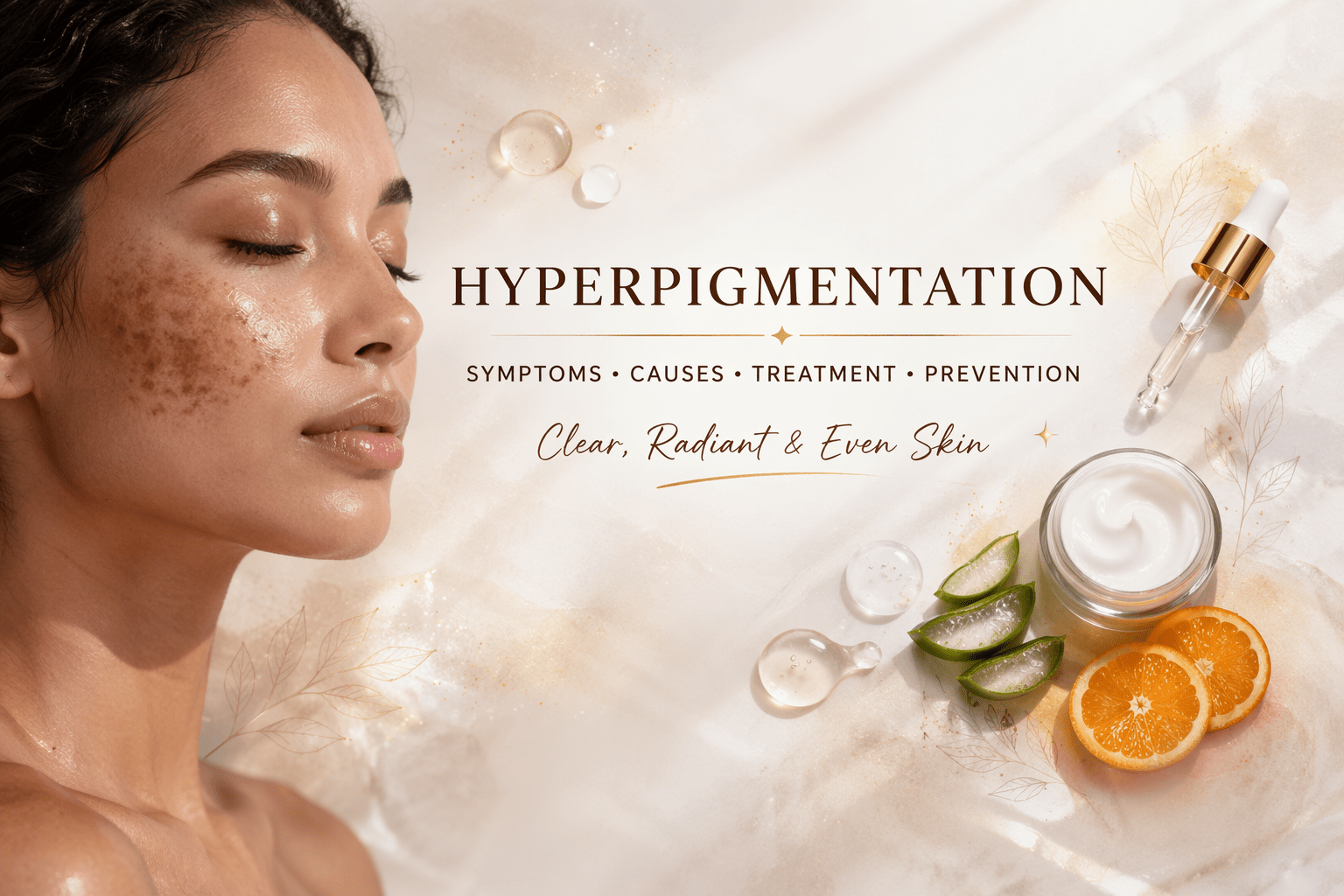
Hyperpigmentation: Symptoms, Causes, Treatment & Prevention
Hyperpigmentation affects an estimated 50% of the global population with at least one pigmentary disorder. It is more common and more persistent in darker skin tones — making it one of the top dermatological concerns for Nigerians, and for people of African, Asian, and Latin American descent worldwide.
50%
of global population has at least one pigmentary disorder
65%
of dark-skinned people with acne develop PIH
#2
most common dermatology complaint in people of colour worldwide
Sources: JAAD International Survey 48,000 participants 2023 · NCBI StatPearls 2024 · PMC Systematic Review 2024
⚡ Featured Answer
Hyperpigmentation is a common skin condition in which patches of skin become darker than the surrounding normal skin due to excess melanin production. It is not a single disease but a symptom of many underlying conditions — including sun damage, inflammation, hormonal changes, and medications. It is harmless in most cases but can cause significant psychological distress, particularly when it affects the face.
The word comes from the Latin hyper (excess) + pigmentum (colouring). Melanin — the pigment that gives skin, hair, and eyes their colour — is produced by specialised cells called melanocytes. When these cells are overactivated by UV radiation, inflammation, hormones, or injury, they produce excessive melanin that deposits as dark patches in the skin.
Hyperpigmentation is particularly relevant in Nigeria and across sub-Saharan Africa because people with Fitzpatrick skin types IV–VI (darker skin tones) have a naturally higher density of melanocytes and larger melanosomes — making them more reactive to any triggering stimulus and more prone to persistent, severe discolouration.
🧬 How Hyperpigmentation Develops — The Melanin Pathway
Understanding the 4-step process from trigger to dark patch
1
Trigger
UV, inflammation, hormones, or injury activates melanocytes
UV, inflammation, hormones, or injury activates melanocytes
2
Enzyme Activation
Tyrosinase enzyme converts tyrosine → DOPA → melanin
Tyrosinase enzyme converts tyrosine → DOPA → melanin
3
Melanin Overproduction
Excess eumelanin deposited in melanosomes
Excess eumelanin deposited in melanosomes
4
Transfer & Deposition
Melanin transferred to keratinocytes → visible dark patch
Melanin transferred to keratinocytes → visible dark patch
💡
Most treatments work by inhibiting tyrosinase (step 2) or blocking melanin transfer (step 4)
🪪
Hyperpigmentation — Disease Identity Card
Disease Type
Acquired pigmentary disorder; spectrum of skin conditions
ICD-11 Code
L81 — Other disorders of skin pigmentation (sub-types: L81.0–L81.9)
System Affected
Integumentary (skin — epidermis and/or dermis)
Key Mechanism
Overproduction and/or irregular distribution of melanin by melanocytes
Onset
Gradual (weeks to months); acute PIH may appear within days of trigger
Transmission
Not contagious. Non-communicable; triggered by individual and environmental factors
Notifiable Status
Not a notifiable condition in Nigeria, UK, USA, or Canada
Vaccine-Preventable
No vaccine available or applicable
Curability
Manageable; some types fully resolve with treatment. Melasma is chronic and recurrent
Most Affected
Women (56–78%), mean age ~35–39; Fitzpatrick skin types III–VI (darker skin tones)
QoL Impact
DLQI score >10/30 in 35% of PIH sufferers; 26% face workplace discrimination
Key Dermatologists
Consult dermatologist if lesion is new, asymmetric, changing, or bleeding
I
Very fair, always burns
Low PIH riskII
Fair, usually burns
Low riskIII
Medium, sometimes burns
Medium riskIV
Olive, rarely burns
High riskV
Brown, very rarely burns
Very highVI
Dark brown/Black, never burns
Highest riskMost Nigerians are Fitzpatrick types V–VI, placing them at the highest risk for persistent hyperpigmentation after any skin insult
Hyperpigmentation does not have a single cause — it is the final common pathway of many different triggers, all of which overstimulate melanocyte activity. Understanding your specific trigger is essential for choosing the right treatment and preventing recurrence.
Non-Modifiable Factors
- Dark skin type (Fitzpatrick IV–VI) — naturally higher melanocyte density and reactivity
- Female sex — hormonal sensitivity; 56–78% of PIH sufferers are women
- Family history of melasma or pigmentary disorders
- Age — solar lentigines increase with age in sun-exposed skin
- Genetic conditions affecting melanin synthesis (e.g. Addison's disease)
Modifiable Triggers
- Unprotected sun (UV) exposure — the #1 preventable cause; UV directly stimulates tyrosinase
- Picking, scratching, or irritating acne, eczema, or insect bites
- Using harsh, irritating skincare products or bleaching creams (paradoxical worsening)
- Smoking — impairs skin healing and worsens pigmentation
- Nutritional deficiencies (Vitamin C, B12, folate) affecting melanin regulation
Environmental & Medical Causes
- Hormonal changes — pregnancy (melasma/"mask of pregnancy"), oral contraceptives, HRT
- Inflammatory skin conditions — acne (65% PIH rate in dark skin), eczema, psoriasis, lupus
- Medications — antimalarials (chloroquine), chemotherapy, minocycline, amiodarone
- Endocrine disorders — Addison's disease, Cushing's syndrome, thyroid disease
- Trauma — burns, cuts, cosmetic procedures, tattoos, insect bites
Nigeria-Specific Risk Factors
- Year-round intense UV exposure without adequate sun protection — Nigeria sits 4–12° North of the equator
- High prevalence of acne, eczema, and fungal infections — all trigger post-inflammatory PIH
- Widespread use of unregulated skin-bleaching creams containing mercury and steroids — causes paradoxical PIH and ochronosis
- Limited access to dermatologist-guided treatment — self-treatment with incorrect products worsens pigmentation
- High rates of HIV/tuberculosis treatment with pigmentation-causing medications
⚡ Featured Answer
Hyperpigmentation presents as flat, darkened patches or spots on the skin — brown, grey-brown, or black in colour — with no associated elevation, pain, or itching in most cases. Symptoms depend on the type: melasma produces bilateral facial patches, post-inflammatory PIH causes darkening at the exact site of a previous injury or inflammation, and solar lentigines appear as discrete spots on sun-exposed areas.
The 6 Major Types of Hyperpigmentation
Post-Inflammatory Hyperpigmentation (PIH)
Trigger: Inflammation or Injury
The most common type in Nigeria. Dark marks left after acne, eczema, cuts, burns, or any skin injury. Can appear anywhere. 65% of dark-skinned acne patients develop PIH.
Melasma (Chloasma)
Trigger: Hormones + UV
Symmetrical brown/grey-brown patches on forehead, cheeks, upper lip, and chin. More common in women; strongly linked to pregnancy and oral contraceptives. Chronic and recurrent.
Solar Lentigines ("Age Spots")
Trigger: Cumulative UV Damage
Flat, well-defined brown spots on sun-exposed areas — face, back of hands, shoulders. Appear from middle age onward. Benign but must be distinguished from lentigo maligna melanoma.
Drug-Induced Hyperpigmentation
Trigger: Medications
Darkening caused by antimalarials (chloroquine — very relevant in Nigeria), minocycline, amiodarone, chemotherapy drugs, and antipsychotics. Distribution varies by drug class.
Acanthosis Nigricans
Trigger: Insulin Resistance
Dark, velvety, thickened patches in skin folds — neck, armpits, groin. Strongly linked to insulin resistance, obesity, and type 2 diabetes. A warning sign of metabolic disease.
Ephelides (Freckles) & Café-au-Lait
Trigger: Genetic + UV
Freckles (small, flat, symmetric) are genetic and darken with sun exposure. Café-au-lait spots are larger and may be associated with neurofibromatosis type 1 if >6 spots are present.
Symptoms by Severity
🟢 Mild
- Small, light brown patches on face or body
- Uniform colour, well-defined borders
- No skin texture change
- Fades partially in sun-protected skin
- Limited to a small area (<5cm)
🟡 Moderate
- Multiple patches, broader distribution
- Prominent on face (forehead, cheeks)
- Persistent despite sun protection
- Bilateral symmetry (suggests melasma)
- Associated anxiety or self-consciousness
🔴 Severe / Red Flags
- Rapid change in size, shape, or colour
- Irregular, asymmetric borders
- Raised, bleeding, or ulcerated lesion
- Associated with systemic symptoms
- Lesion does not match known types — URGENT
Red Flags — When a Dark Spot Could Be Melanoma
Most hyperpigmentation is harmless. However, a small number of dark skin lesions are malignant melanoma — one of the deadliest skin cancers. Use the ABCDE Rule to identify dangerous lesions that require immediate medical review:
- 🔴A — Asymmetry: One half of the lesion does not match the other
- 🔴B — Border: Irregular, ragged, notched, or blurred edges
- 🔴C — Colour: Multiple colours — brown, black, red, white, or blue within one lesion
- 🔴D — Diameter: Larger than 6mm (about the size of a pencil eraser)
- 🔴E — Evolving: Any change in size, shape, colour, or new symptoms like bleeding or itching
- ⚠️Additional warning signs: Lesions growing very rapidly, lesions in unusual locations (under nails, palms, soles), or >6 café-au-lait spots (may indicate neurofibromatosis)
🔬 Diagnostic Tests for Hyperpigmentation
| Test | What It Shows | Uses / When Ordered | Nigeria Availability |
|---|---|---|---|
| Wood's Lamp Examination | Identifies epidermal vs dermal melanin; shows fluorescence patterns | First-line in dermatology; differentiates melasma depth; identifies fungal-induced PIH | Specialist only |
| Dermoscopy (Dermatoscopy) | Magnified view of skin architecture; helps rule out malignancy | Distinguishing benign hyperpigmentation from lentigo maligna or melanoma | Tertiary centres |
| Skin Biopsy (Punch) | Histopathology — exact depth of melanin, cell type, malignancy | Definitive diagnosis when lesion is atypical or melanoma is suspected | Teaching hospitals |
| Hormonal Profile (FSH, LH, Oestradiol, Cortisol) | Identifies hormonal cause of melasma; rules out Addison's disease | When melasma worsens cyclically or with systemic symptoms present | Available nationwide |
| Thyroid Function Tests (TFTs) | Thyroid disorders can cause diffuse hyperpigmentation | When pigmentation is diffuse, generalised, or associated with fatigue/weight change | Available nationwide |
| Fasting Blood Glucose / HbA1c | Screens for diabetes / insulin resistance causing acanthosis nigricans | Mandatory when dark velvety patches appear on neck, axillae, or groin | Available nationwide |
| Full Blood Count + B12 / Folate | Nutritional anaemias causing diffuse pigmentation changes | Generalised skin darkening, especially with mucosal involvement | Available nationwide |
Primary Triggers of Hyperpigmentation in Skin of Colour — Prevalence (%)
PMC Systematic Review 2024 · n=1,356
Source: Mar et al. Journal of Cutaneous Medicine and Surgery 2024 · NCBI StatPearls November 2024
⚡ Featured Answer
Treatment of hyperpigmentation requires first identifying and eliminating the trigger, then applying a depigmenting agent (typically a tyrosinase inhibitor such as hydroquinone, kojic acid, niacinamide, or azelaic acid), combined with daily broad-spectrum sunscreen (SPF 30+). Treatments take 8–12 weeks to show improvement. In darker skin tones, always start with the lowest effective concentration to avoid irritation-triggered worsening.
Key Principle: Hyperpigmentation treatment has two essential phases: (1) Find and remove the trigger (e.g. treat acne, stop the offending medication, protect from sun). (2) Fade existing pigmentation with a depigmenting agent. Without addressing the trigger, no treatment will work long-term.
| Treatment | Type | How It Works | Efficacy | Suitable for Darker Skin | Notes |
|---|---|---|---|---|---|
| Daily Broad-Spectrum Sunscreen (SPF 30–50) | Photoprotection | Blocks UV-triggered melanin stimulation; prevents worsening and treats simultaneously | Essential | ✅ All types | Non-negotiable — must be used with every other treatment. Physical (zinc oxide/titanium dioxide) preferred for darker skin |
| Hydroquinone (2–4%) | Topical Tyrosinase Inhibitor | Inhibits tyrosinase enzyme; blocks melanin synthesis. Gold standard since 1960s | High | ⚠️ Use with caution; risk of ochronosis with misuse | Available in Nigeria; NAFDAC-regulated. Use for ≤3 months then pause. Never use unregulated products |
| Niacinamide (Vitamin B3) — 5–10% | Topical Melanin Transfer Inhibitor | Prevents melanin transfer from melanocytes to keratinocytes; anti-inflammatory | Moderate | ✅ Excellent — very safe, no irritation | Well-tolerated in all skin types; widely available OTC in Nigeria; can be combined with other actives |
| Kojic Acid (1–4%) | Topical Tyrosinase Inhibitor | Chelates copper in tyrosinase enzyme; reduces melanin production. Derived from fungi | Moderate | ✅ Generally safe; monitor for contact dermatitis | Good alternative or adjunct to hydroquinone. Available in many Nigerian skincare products |
| Azelaic Acid (15–20%) | Topical — Multiple Mechanisms | Inhibits tyrosinase, anti-inflammatory, antibacterial. Particularly effective for PIH from acne | Moderate–High | ✅ Very safe; approved for use in pregnancy | Preferred in pregnancy-related melasma; also treats acne (dual benefit). Available on prescription in UK/USA |
| Retinoids (Tretinoin 0.025–0.1% / Adapalene) | Topical Retinoid | Accelerates epidermal cell turnover; disperses melanin; inhibits melanocyte activation | High | ⚠️ Start low; can cause irritation and paradoxical PIH if started too aggressively | Highly effective but requires careful titration in dark skin. Most effective when combined with niacinamide or hydroquinone |
| Vitamin C (Ascorbic Acid) 10–20% | Topical Antioxidant / Tyrosinase Inhibitor | Antioxidant that inhibits tyrosinase and DOPA oxidation; also promotes collagen synthesis | Moderate | ✅ Safe; use L-ascorbic acid in stable formulation | Synergistic with SPF. Unstable in air/light — store carefully. Combine with vitamin E and ferulic acid for best results |
| Chemical Peels (Glycolic / Salicylic / Lactic Acid) | In-Clinic Procedure | Controlled exfoliation removes melanin-rich epidermal cells; accelerates cell turnover | Variable | ⚠️ Caution — can trigger PIH if too aggressive; very superficial peels preferred | Best performed by experienced dermatologist. Superficial peels (20–35% glycolic) are safest. Available in Lagos, Abuja dermatology clinics |
| Laser Therapy (Q-switched Nd:YAG, 1064nm) | In-Clinic Laser Procedure | Selectively destroys melanin-containing cells without damaging surrounding tissue | High — in trained hands | ⚠️ High risk of PIH/hypopigmentation if wrong wavelength used; 1064nm Q-switched is safest for dark skin | Expensive; requires multiple sessions; limited availability in Nigeria. Complete resolution in 26% of cases. Risk of PIH exacerbation. |
| Triple Combination Cream (Hydroquinone + Tretinoin + Steroid) | Prescription Combination | Synergistic: tyrosinase inhibition + cell turnover + anti-inflammation | High | ⚠️ Use under dermatologist supervision; risk of steroid side effects | Kligman formula — one of the most studied melasma treatments. Available on prescription. Duration-limited use only. |
| Tranexamic Acid (Oral or Topical) | Emerging Treatment | Inhibits UV-induced melanocyte activation via plasminogen pathway | Moderate (topical); High (oral in studies) | ✅ Well-tolerated; increasingly available | Growing evidence, especially for melasma. Oral: 250mg twice daily in studies. Topical 3–5% also effective. Available in some Nigerian pharmacies |
| Sunscreen + Hat + Shade-seeking behaviour | Lifestyle Intervention | Eliminates the primary driver (UV) of melanocyte stimulation | Essential | ✅ All types | Sun protection amplifies every other treatment by 40–60%. Without it, no other treatment will fully work. Apply SPF 30+ daily, even on cloudy days. |
🇳🇬 Nigerian Treatment Context — What You Need to Know
~77%
of Nigerian women report using some form of skin-lightening product
30%+
of products sold in Nigeria markets contain banned mercury or undisclosed steroids
60%+
of Nigerians seek treatment from pharmacists before seeing a dermatologist
Nigeria has only approximately 600 registered dermatologists for over 220 million people. This means pharmacists and general practitioners are typically the first point of contact for hyperpigmentation. The NAFDAC-approved first-line topical treatments available in Nigeria without prescription include niacinamide 5–10%, kojic acid formulations, and vitamin C serums. Hydroquinone up to 4% is available; however, many unregulated products sold in open markets contain higher concentrations (up to 20%) or hidden mercury — both of which are illegal and cause severe complications.
The most dangerous practice in Nigeria is the use of bleaching creams containing topical steroids (particularly clobetasol proprionate) without medical supervision. While they cause short-term lightening, prolonged use causes skin atrophy, telangiectasia, systemic steroid absorption, cushingoid features, and — paradoxically — severe PIH when stopped. If you purchase a cream that lightens your skin "very quickly," it almost certainly contains an undisclosed steroid. Always use NAFDAC-registered products and consult a pharmacist.
Recommended sunscreens for darker skin in Nigeria: Look for broad-spectrum SPF 30–50+ sunscreens with zinc oxide or titanium dioxide. Many tinted mineral sunscreens are now available that do not leave a white cast on dark skin — a key barrier to sunscreen use among Nigerians. Sunscreen should be the first purchase before any other treatment.
Treatment Efficacy for Hyperpigmentation in Skin of Colour — Partial Improvement Rate (%)
PMC Systematic Review · Journal Cutan Med Surg 2024
Source: Mar K et al. Treatment of PIH in Skin of Colour. J Cutan Med Surg. 2024;28(5):473-480 · Systematic review of 48 studies, n=1,356
While hyperpigmentation itself is not life-threatening, its complications — particularly from mismanagement — can be serious, disfiguring, and difficult to reverse. In Nigeria, the complications of unsafe bleaching products are a public health crisis in their own right.
⏱ Short-Term Complications
- Worsening of pigmentation from UV exposure without SPF
- Irritant dermatitis from harsh treatments
- Contact allergy to hydroquinone or fragrance
- Rebound hyperpigmentation after stopping steroid creams
- Temporary worsening after chemical peels or laser
📅 Long-Term Complications
- Ochronosis — blue-black discolouration from prolonged hydroquinone misuse; permanent in severe cases
- Exogenous ochronosis from mercury-containing creams
- Skin atrophy from topical steroid overuse
- Telangiectasia (visible broken capillaries)
- Significant, lasting psychological impact (depression, social withdrawal, relationship difficulties)
👥 Vulnerable Groups
- Pregnant women — melasma risk; limited treatment options (no retinoids/hydroquinone in pregnancy)
- Adolescents — acne-related PIH; highest psychosocial impact
- People with HIV on ARV therapy — medications cause hyperpigmentation
- People with lupus or other autoimmune conditions
- Post-menopausal women — loss of oestrogen affects skin pigmentation regulation
🇳🇬 Nigeria-Specific Complications
- Mercury poisoning from unregulated bleaching creams — kidney damage, neurological effects
- Systemic steroid absorption (cushingoid features, adrenal suppression) from undisclosed steroid creams
- Ochronosis — particularly from unregulated high-dose hydroquinone; reported in multiple Nigerian studies
- Delayed diagnosis of melanoma due to late presentation (rare but serious)
- Severe social and occupational impact — 26% of PIH sufferers face workplace discrimination globally
⚠️ Prognosis: PIH from acne or mild inflammation can clear completely in 3–12 months with proper treatment and sun protection. Melasma is chronic and recurrent — it can be controlled but rarely cured permanently. Ochronosis from hydroquinone misuse may be permanent. The earlier treatment begins, the better the outcome. Epidermal hyperpigmentation responds much better to treatment than dermal (deep) pigmentation.
Self-Reported Pigmentary Disorder Prevalence by World Region (%) — 48,000 People, 34 Countries
JAAD International Survey 2022–2023
Source: JAAD International Survey. N=48,000 across 34 countries including Nigeria, South Africa, Ivory Coast, Kenya. Dec 2022–Feb 2023. Published 2024.
There is no vaccine for hyperpigmentation — but there is excellent evidence that consistent sun protection, prompt treatment of inflammatory triggers, and avoiding skin-damaging habits can prevent up to 80% of acquired hyperpigmentation. Prevention is dramatically more effective (and cheaper) than treatment.
Daily Sunscreen — The #1 Prevention
Apply broad-spectrum SPF 30–50 every morning, regardless of cloud cover. UV penetrates clouds at up to 80% intensity. In Nigeria's equatorial climate, UVA radiation is intense year-round. Reapply every 2 hours if outdoors. Use tinted mineral sunscreen to avoid white cast on dark skin.
Effectiveness: 95% (most evidence-based prevention available)
Treat Acne & Eczema Early
Post-inflammatory hyperpigmentation only occurs after skin inflammation. By treating acne, eczema, and psoriasis promptly and effectively, you eliminate the trigger. Never pop pimples — this dramatically worsens PIH. Use salicylic acid (2%), benzoyl peroxide, or retinoids as directed by a pharmacist or doctor.
Effectiveness: 80–85% reduction in acne-related PIH
Avoid Unregulated Bleaching Creams
Many skin-lightening creams sold in Nigerian markets contain undisclosed mercury, high-dose hydroquinone, or topical steroids. These cause paradoxical hyperpigmentation, ochronosis, skin atrophy, and systemic toxicity. Always buy NAFDAC-registered products. If a cream lightens your skin in days — it is dangerous.
Risk prevention: eliminates a major cause of severe, permanent PIH
No Picking, Scratching, or Rubbing
Mechanical trauma to the skin — picking spots, scratching insect bites, aggressive scrubbing — directly triggers post-inflammatory hyperpigmentation. This is especially important in dark skin where the threshold for PIH is lower. Treat itchy skin conditions with appropriate anti-itch medications rather than scratching.
Effectiveness: Major reduction in PIH incidence when followed consistently
Gentle Skincare Routine
Harsh exfoliants, strong acids, and aggressive cleansers can damage the skin barrier, trigger inflammation, and worsen pigmentation in dark skin types. Use gentle, fragrance-free cleansers. Introduce active ingredients (retinoids, acids) gradually and one at a time. "Skincare cycling" reduces irritation risk.
Effectiveness: Significantly reduces irritation-triggered PIH
Anti-Oxidant Diet & Nutrition
Vitamins C and E, glutathione, and polyphenols help neutralise reactive oxygen species that stimulate melanocyte activity. A diet rich in tomatoes, green leafy vegetables, citrus fruits, and omega-3 fatty acids supports skin health. Conversely, high sugar diets promote glycation and skin inflammation that worsens pigmentation.
Effectiveness: Moderate supportive evidence; excellent overall skin health benefit
Managing hyperpigmentation is a daily commitment — not a one-time treatment. The foods you eat, the habits you keep, and the products you use all influence how quickly pigmentation fades and whether it returns. Here is a Nigeria-specific guide.
Eat / Increase — Supports Even Skin Tone
- 🍋 Vitamin C-rich foods — tomatoes, bitter orange (orunshe), guava, garden eggs, pawpaw. Inhibits tyrosinase and is a potent antioxidant
- 🥦 Green leafy vegetables — ugu (fluted pumpkin leaf), ewedu, bitter leaf, spinach. Rich in folate, B vitamins, and antioxidants
- 🐟 Omega-3 fatty acids — mackerel (titus fish), sardines, groundnut. Anti-inflammatory; reduces the inflammation that triggers PIH
- 🌰 Vitamin E foods — palm oil (in moderation), groundnuts, sesame seeds. Antioxidant synergist with vitamin C; supports skin barrier
- 🫐 Polyphenol-rich foods — hibiscus (zobo), green tea, dark cocoa. Inhibit melanin synthesis pathways
- 🧄 Selenium-rich foods — garlic, onions, eggs. Selenium is a cofactor for glutathione peroxidase — a key skin antioxidant
- 💧 Adequate water (2–3 litres/day) — Hydration maintains skin barrier integrity and speeds cell turnover that clears pigmentation
Avoid / Reduce — Worsens Hyperpigmentation
- 🍬 High-sugar foods — pap with excess sugar, fizzy drinks, packaged sweets. Sugar glycates collagen and drives skin inflammation that worsens PIH
- 🍺 Excessive alcohol — dehydrates skin, impairs liver detoxification, and depletes B vitamins needed for melanin regulation
- 🔥 Highly processed foods — instant noodles, processed meats, deep-fried snacks. Pro-inflammatory; worsen acne and eczema that trigger PIH
- ☕ Excess caffeine (in large quantities) — can increase cortisol, which stimulates melanocyte-stimulating hormone (MSH)
- 🫙 Unfermented soy in large amounts — phytoestrogens may worsen hormonally-driven melasma in some women
- 🌶️ Extremely spicy foods (for rosacea-prone skin) — triggers flushing and inflammation that can worsen PIH in susceptible individuals
- 🚫 Avoid unnecessary sun exposure — the dietary benefits above are undone by regular unprotected sun exposure. Sun protection + diet = best results
💡 Skincare Routine for Hyperpigmentation in Dark Skin (Nigeria-Optimised):
Morning: Gentle cleanser → Vitamin C serum (10–15%) → Niacinamide moisturiser → Broad-spectrum SPF 30–50 (non-negotiable).
Evening: Gentle cleanser → Retinoid or azelaic acid (start 2× weekly, increase gradually) → Rich moisturiser (shea butter, hyaluronic acid).
Weekly: Very gentle enzyme or 10% glycolic acid mask if tolerated. Do NOT layer multiple acids in one routine — this triggers PIH.
Morning: Gentle cleanser → Vitamin C serum (10–15%) → Niacinamide moisturiser → Broad-spectrum SPF 30–50 (non-negotiable).
Evening: Gentle cleanser → Retinoid or azelaic acid (start 2× weekly, increase gradually) → Rich moisturiser (shea butter, hyaluronic acid).
Weekly: Very gentle enzyme or 10% glycolic acid mask if tolerated. Do NOT layer multiple acids in one routine — this triggers PIH.
Hyperpigmentation is one of the most common dermatological presentations in Nigeria — a direct consequence of the country's proximity to the equator, the natural characteristics of darker skin tones (Fitzpatrick V–VI), the high prevalence of triggering conditions (acne, eczema, malaria), and the widespread use of unregulated skin-lightening products.
🇳🇬 Nigeria Hyperpigmentation Data
Top 3
Pigmentation disorders are in the top 5 skin conditions seen in Nigerian dermatology clinics
~77%
of Nigerian women report using skin-lightening products at some point in their lives
~600
Registered dermatologists serving 220M+ Nigerians (1 per ~367,000 people)
Studies from Nigerian teaching hospitals — including LUTH (Lagos University Teaching Hospital), UBTH (University of Benin Teaching Hospital), and OAUTH (Obafemi Awolowo University Teaching Hospital) — consistently show that pigmentary disorders rank among the top 3–5 dermatological diagnoses. Post-inflammatory hyperpigmentation from acne is the single most common type, followed by melasma (particularly in women of reproductive age), drug-induced pigmentation (from antimalarials such as chloroquine widely used for malaria prophylaxis and treatment), and acanthosis nigricans (increasingly common with Nigeria's rising diabetes and obesity rates).
Geographic hotspots: Hyperpigmentation affects all states but is reported most frequently in dermatology clinics in Lagos, Ogun, Rivers, Oyo, Anambra, and Kano states — correlating with population density, proximity to major teaching hospitals, and higher cosmetic awareness. In rural areas, the condition is heavily underdiagnosed due to limited access to dermatology services.
The bleaching cream crisis: Nigeria has one of the highest rates of skin-bleaching product use in the world. Studies estimate that 77% of Nigerian women and a growing proportion of men have used some form of skin-lightening product. The alarming fact is that many products sold openly in markets, supermarkets, and roadside stalls contain illegal mercury, high-dose hydroquinone (>4%), undisclosed corticosteroids, or toxic botanical extracts — all banned by NAFDAC. The resulting complications — ochronosis, mercury nephropathy, cushingoid features — are seen regularly in Nigerian teaching hospitals. NAFDAC conducts periodic crackdowns but market availability remains a challenge.
Common Misconceptions in Nigeria About Hyperpigmentation
❌ Myth
"The faster a cream lightens my skin, the better it is working."
✅ Fact
Rapid lightening means undisclosed steroids or mercury. Safe treatments take 8–12 weeks minimum.
❌ Myth
"Dark-skinned people do not need sunscreen because our skin does not burn."
✅ Fact
UV still stimulates melanin production in dark skin, directly causing and worsening hyperpigmentation. SPF is essential for all skin tones.
❌ Myth
"Mixing multiple lightening creams together works faster."
✅ Fact
Mixing products risks serious irritation, allergic reactions, and paradoxical hyperpigmentation — particularly dangerous in dark skin types.
Barriers to Care in Nigeria
- 💰Cost: Dermatology consultations and prescription treatments are out-of-pocket for most Nigerians; the National Health Insurance Scheme provides limited coverage for dermatology
- 👨⚕️Workforce shortage: Only ~600 dermatologists for 220M+ people (1 per ~367,000) vs UK (1 per 40,000). Most Nigerians first consult a pharmacist or buy OTC products
- 📍Geographic disparity: Specialist dermatology care is concentrated in Lagos, Abuja, Ibadan, and other major cities — rural Nigerians have virtually no access
- 🏪Market availability: Hundreds of unregulated products are sold freely alongside NAFDAC-approved options — patients cannot easily tell the difference without guidance from a pharmacist
- 🎓Health literacy: Limited awareness of the difference between pigmentation types, triggers, and appropriate treatments leads to frequent self-medication errors
🟢 Self-Manage at Home
You can start OTC treatment
- Recent post-acne dark marks (PIH) — known cause
- Small, flat, even-coloured brown patches
- Lesion unchanged for 6+ months
- No other symptoms (no itching, bleeding, pain)
- Skin darkening appears after a known rash or eczema
- Sun-exposed spots on hands or shoulders in adults 40+
👉 Start: SPF 30+ daily + niacinamide 5–10% OTC. Ask your pharmacist for guidance.
🟡 See a Doctor — 24–48 Hours
Needs clinical assessment
- New facial patches appearing symmetrically (may be melasma)
- Pigmentation spreading despite 8 weeks of OTC treatment
- Dark, velvety patches on neck/armpits (possible acanthosis nigricans)
- Skin lightening products causing new redness or pigmentation
- Pregnancy-related skin darkening with other symptoms
- Pigmentation associated with weight changes, fatigue, or hair loss
👉 See your GP or hospital dermatologist within 1–2 days for proper diagnosis and prescription treatment.
🔴 Emergency — See Doctor Immediately
Could be serious or malignant
- Dark lesion that is growing rapidly (weeks)
- Asymmetric lesion with irregular, jagged borders
- Multiple colours in a single lesion (brown, black, red, white)
- Lesion that bleeds, oozes, or does not heal
- Large lesion >6mm with recent changes
- Lesion under a fingernail or on palm/sole (subungual melanoma risk)
- Sudden darkening of whole body with fatigue (possible Addison's disease)
🚨 Go to a hospital or teaching hospital dermatology/oncology unit immediately — do not delay.
🆘 Emergency & Healthcare Contacts
🇳🇬 Nigeria — Emergency
112 / 767
National emergency line · NCDC Disease Notification: 0800-970000-10
🇬🇧 United Kingdom
NHS 111 / 999
NHS 111 for urgent non-emergency advice · 999 for life-threatening
🇺🇸 United States
911
Emergency services · CDC helpline: 1-800-CDC-INFO (1-800-232-4636)
🇨🇦 Canada
911 / 811
Emergency: 911 · Health advice line: 811 (most provinces)
It depends on the type and depth. Epidermal PIH from mild acne or eczema can fade on its own over 3–24 months if the trigger is removed and the skin is protected from UV. However, dermal (deep) hyperpigmentation and melasma are chronic conditions that rarely resolve without treatment. Without daily sunscreen, even mild epidermal hyperpigmentation will persist indefinitely because UV exposure continuously re-stimulates the melanocytes. In Nigerian conditions — year-round intense UV — hyperpigmentation almost never improves without sun protection. With daily SPF 30+ and appropriate topical treatment (niacinamide, vitamin C, or azelaic acid), significant improvement is typically visible within 8–12 weeks.
The safest and most evidence-based products available in Nigeria include: (1) Niacinamide 5–10% — safe, effective, affordable, widely available OTC; blocks melanin transfer. (2) Kojic acid 1–4% — good OTC option; inhibits tyrosinase. (3) Vitamin C serum (10–20%) — antioxidant and tyrosinase inhibitor. (4) Azelaic acid 10–20% — very safe, also treats acne; excellent for pregnancy. (5) Hydroquinone 2–4% (NAFDAC-approved) — most potent OTC option but should be used for ≤3 months under pharmacist or doctor guidance. Most important: always use with SPF 30+ sunscreen — without it, NO product will work effectively. Avoid any product that promises results in days — it contains banned substances. Ask your Enavec Pharmacy pharmacist for a personalised recommendation.
Yes — when used correctly. NAFDAC-approved hydroquinone at 2–4% is clinically effective and safe when used as directed for 8–12 weeks. It is the gold standard for melasma treatment globally. The danger in Nigeria arises from: (1) Unregulated products containing 10–20% hydroquinone (illegal) — these cause ochronosis (permanent blue-black discolouration) in dark skin types with prolonged use. (2) Using it for more than 3 months continuously without a break. (3) Using it without daily sunscreen — completely negates its effect. Red flags in a product: No NAFDAC registration number, unrealistic claims of lightening in days, no ingredient list. Always buy from a registered pharmacy such as Enavec Pharmacy and ask the pharmacist to verify your product.
Darker skin (Fitzpatrick types V–VI, most common in Nigeria) has more melanocytes, larger melanosomes, and a greater concentration of eumelanin than lighter skin tones. This means that any trigger — UV, inflammation, hormones, or injury — produces a more intense and more prolonged melanin response. Additionally, melanin deposited in darker skin tends to sit deeper in the dermis (not just the epidermis), making it harder to treat topically. The good news is that the same biology that makes dark skin more prone to hyperpigmentation also means it has excellent natural photoprotection and does not age as rapidly as lighter skin tones. Proper management — sun protection + appropriate depigmenting agents — works just as effectively in dark skin, but requires more patience (treatments take 8–16 weeks to show full effect).
Melasma is a hormone-driven pigmentation condition. It presents as symmetrical, bilateral patches on the forehead, cheeks, upper lip, and chin. It is strongly associated with pregnancy, oral contraceptives, and UV exposure. It tends to recur. It responds to depigmenting agents but relapses when hormonal triggers resume or sun protection lapses. Post-inflammatory hyperpigmentation (PIH) appears at the exact site of previous skin inflammation — an acne spot, an eczema patch, a cut, or an insect bite. It is asymmetric, matches the shape of the original lesion, and is caused by excess melanin production during skin healing. PIH has no hormonal component. It can be prevented by treating the underlying inflammation early and never picking the skin. The Wood's lamp test can help differentiate epidermal from dermal involvement in both conditions.
Some combinations are safe and even synergistic; others are dangerous, especially for dark skin tones. Safe combinations: Niacinamide + Vitamin C (controversial but generally safe); Niacinamide + SPF (excellent); Hydroquinone + SPF (essential); Retinoid (evening) + Vitamin C (morning). Avoid: Mixing retinoids with AHAs or BHAs (irritation risk); using hydroquinone and kojic acid simultaneously without dermatologist guidance (excessive irritation can trigger PIH); layering multiple actives on the same skin area in the same routine. The golden rule for darker skin: introduce one new active at a time, wait 2 weeks before adding another, and always start with lower frequencies (2–3 nights per week for retinoids). Skin irritation in dark skin = guaranteed PIH worsening.
Timeline depends on depth and consistency of treatment. Epidermal PIH with daily SPF + niacinamide or vitamin C: visible improvement in 8–12 weeks, significant fading in 3–6 months. Deep epidermal/dermal PIH with topical retinoids ± hydroquinone + SPF: 4–6 months for significant improvement. Melasma with triple combination therapy (hydroquinone + tretinoin + steroid) + daily SPF: 8–12 weeks for significant improvement, but recurrence is common. Key factors that slow progress: Inconsistent sunscreen use (the single most common reason for failure), picking the skin during treatment, using irritating products that re-trigger PIH, and dermal (deep) rather than epidermal melanin. Most important message: Consistency beats intensity. A gentle, consistent 3-month routine will outperform aggressive 1-week products every time.
Use the ABCDE rule: Asymmetry (one side does not match the other), Border irregularity (jagged, notched, blurred), Colour variation (multiple colours in one lesion — brown, black, red, white, or blue), Diameter larger than 6mm (pencil eraser), Evolving (any change in size, shape, colour, or new symptoms like bleeding or itching). If any of these features are present, seek medical review immediately — do not wait. Other warning signs specific to Nigerian patients: dark lesion under a fingernail or toenail (subungual melanoma — more common in darker-skinned populations), lesion on palm or sole, or rapidly growing nodule. While melanoma is less common in Nigerians than in lighter-skinned populations, it does occur — and because it is often misidentified as ordinary hyperpigmentation, it tends to be diagnosed at a later, more dangerous stage. When in doubt, see a dermatologist.
📚 References & Sources (Minimum 15)
1
Mar K, Khalid B, Maazi M et al. Treatment of Post-Inflammatory Hyperpigmentation in Skin of Colour: A Systematic Review. J Cutan Med Surg. 2024;28(5):473–480. doi:10.1177/12034754241265716 · PMC11514325
2
Dinkins J, Okeke CAV, Frey C. Examining Racial Diversity in Hyperpigmentation and Post-Inflammatory Hyperpigmentation Clinical Trials in the United States. J Drugs Dermatol. 2024;23(7):e158–e160. PMID:38954617
3
NCBI StatPearls. Postinflammatory Hyperpigmentation. Updated November 25, 2024. Dinkins J, Okeke CAV, Wassef C. Treasure Island (FL): StatPearls Publishing. PMID:32965978
4
JAAD International Survey. Prevalence of Post-Inflammatory Hyperpigmentation — results of the first large international survey (N=48,000, 34 countries). J Am Acad Dermatol. 2024. doi:10.1016/j.jaad.2024.07.297
5
JAAD / L'Oréal Dermatological Beauty. Prevalence of Pigmentary Disorders including PIH, Melasma, Solar Lentigo, Vitiligo, POH and AH worldwide. EADV 2023 Poster. N=48,000. December 2022–February 2023.
6
Huerth KA, Hassan S, Callender VD. Therapeutic Insights in Melasma and Hyperpigmentation Management. J Drugs Dermatol. 2019;18(8):718–729. PMID:31424704
7
Dlova NC et al. Melasma in people with darker skin types: a scoping review protocol on prevalence, treatment options for melasma and impact on quality of life. Systematic Reviews. 2023;12:146. doi:10.1186/s13643-023-02300-7 · PMC10416367
8
Dermatology Times. Navigating the Challenges of Melasma Treatment and Achieving Trial Equity in Melanin-Rich Skin. October 30, 2025. dermatologytimes.com. Citing Blackburn T, PA-C.
9
Plensdorf S, Livieratos M, Dada N. Pigmentation Disorders: Diagnosis and Management. Am Fam Physician. 2017;96(12):797–804. PMID:29431372
10
Maghfour J, Olayinka J, Hamzavi IH, Mohammad TF. A focused review on the pathophysiology of post-inflammatory hyperpigmentation. Pigment Cell Melanoma Res. 2022;35(3):320–327. PMID:35306737
11
Kashetsky N, Feschuk A, Pratt ME. Post-Inflammatory hyperpigmentation: a systematic review of treatment outcomes. J Eur Acad Dermatol Venereol. 2024;38:470–479. PMID cited in PMC11514325
12
Markiewicz E, Karaman-Jurukovska N, Mammone T, Idowu OC. Post-inflammatory hyperpigmentation in dark skin: molecular mechanism and skincare implications. Pigment Cell Melanoma Res. Cited in PMC11514325, 2024.
13
Taylor S, Grimes P, Lim J, Im S, Lui H. Postinflammatory hyperpigmentation. J Cutan Med Surg. 2009;13(4):183–191. PMID:19595952. Original PIH epidemiology and treatment framework.
14
Davis EC, Callender VD. Postinflammatory hyperpigmentation: a review of the epidemiology, clinical features, and treatment options in skin of color. J Clin Aesthet Dermatol. 2010;3(7):20–31. PMC2921758
15
Rossi AM, Perez MI. Treatment of hyperpigmentation. Facial Plast Surg Clin North Am. 2011;19(2):313–324. PMID:21543011
16
NAFDAC Nigeria. List of Approved Cosmetics / Skin-Lightening Agents. National Agency for Food and Drug Administration and Control, Federal Republic of Nigeria. nafdac.gov.ng
17
Olumide YM, Akinkugbe AO et al. Complications of chronic use of skin lightening cosmetics. Int J Dermatol. 2008;47(4):344–353. PMID:18377624. Key reference for ochronosis and steroid complications in Nigeria.
🛒 Recommended Products
Shop Clinically Proven Hyperpigmentation Treatments on iHerb
Hand-picked by our pharmacists — each product below targets a specific type of hyperpigmentation and is safe for darker skin tones. All available for international delivery via iHerb.
🔗 Affiliate notice: Enavec Pharmacy may earn a small commission from purchases via these links, at no extra cost to you.
⭐ Pharmacist Pick
Step
1 — AM & PM
Brightening Serum
Anua · Korean Beauty
Niacinamide 10 TXA 4 Serum
🌅 AM & PM
- 10% Niacinamide blocks melanin transfer for visible even tone in 4–6 weeks
- 4% Tranexamic Acid blocks the UV-melanin pathway — tackles even stubborn melasma
- 2% Arbutin provides additional tyrosinase inhibition from a gentler, plant-based source
- Hyaluronic acid + ceramides deeply hydrate without clogging pores
- Fragrance-free, alcohol-free — safe for sensitive and dark skin tones (FST IV–VI)
Niacinamide 10%
TXA 4%
Arbutin 2%
Ceramides
All skin types
Sensitive skin ✓
Dark skin safe ✓
Buy on iHerb iHerb.com
🔬 Multi-Action
Step
2 — PM
Kojic Acid Serum
SeoulCeuticals · USA Made
Ultra Brightening Kojic Acid Serum
🌙 PM Recommended
- Kojic acid from organic Reishi mushroom extract — inhibits tyrosinase; fades dark spots
- Alpha-arbutin + bearberry extract — dual natural melanin suppressors, very safe for dark skin
- Glycolic & salicylic acid gently exfoliate pigmented cells to speed fading
- 98% naturally derived — 72% organic; no fragrance, no parabens, vegan, cruelty-free
- Plant-based hyaluronic acid + licorice root extract for barrier support and extra brightening
Kojic Acid
Alpha-Arbutin
Glycolic Acid
Licorice Root
All skin types
Hyperpigmentation ✓
Acne scars ✓
Buy on iHerb iHerb.com
🌟 Top Rated
Step
1 — AM
Glow Serum
Axis-Y · Korean Beauty
Dark Spot Correcting Glow Serum
🌅 AM & PM
- 5% Niacinamide corrects dark spots and evens skin tone while locking in all-day moisture
- Plant-derived phytosqualane seals in hydration without greasiness — ideal for Nigeria's humid climate
- Rice bran, papaya, and sea buckthorn extracts provide brightening botanical support
- Glutathione — a master antioxidant that inhibits melanin at the cellular level
- Hyaluronic acid for deep plumping hydration; works morning and night
Niacinamide 5%
Squalane
Glutathione
Rice Bran
All skin types
Oily skin ✓
Sensitive skin ✓
Buy on iHerb iHerb.com
☀️ Essential Base
Step
Last — AM Only
Daily Sunscreen SPF 46
Eucerin · Dermatologist Recommended
UV Clear Broad-Spectrum SPF 46
☀️ AM Only — Non-Negotiable Last Step
- Broad-spectrum SPF 46 blocks both UVA and UVB — the primary cause of hyperpigmentation worsening
- Contains 5% Niacinamide — treats dark spots while protecting simultaneously
- Zinc oxide (9.0%) provides physical UV protection — no white cast formula; ideal for all skin tones
- Oil-free, non-comedogenic (won't block pores) — safe for acne-prone skin in Nigeria's humid climate
- Without sunscreen, NO depigmenting product will work. This step multiplies every other treatment by 40–60%
SPF 46
Zinc Oxide 9%
Niacinamide 5%
Lactic Acid
All skin tones ✓
Acne-prone ✓
Oil-free ✓
Buy on iHerb iHerb.com
🌙 Night Repair
Step
3 — PM Only
High-Strength Night Serum
Jumiso · Advanced Brightening
Niacinamide 20 Serum + Glutathione
🌙 PM — High-Strength Treatment
- 20% Niacinamide — pharmaceutical-grade concentration for stubborn, long-standing dark spots
- Tranexamic acid + hexylresorcinol — three-angle attack on melanin production pathways
- Glutathione (master antioxidant) suppresses melanin synthesis at the cellular level overnight
- Centella asiatica, vitamin B12, and ceramides soothe inflammation while fading post-acne PIH
- Formulated for deep dermal pigmentation that does not respond to lower-concentration products
Niacinamide 20%
TXA
Glutathione
Hexylresorcinol
Normal / Combo
Stubborn PIH ✓
Melasma ✓
Buy on iHerb iHerb.com
Get Expert Help for Your Skin at Enavec Pharmacy
Confused about which product is right for your skin type? Our trained pharmacists can recommend NAFDAC-approved treatments for your specific type of hyperpigmentation — safely, affordably, and without a dermatologist appointment.
⚕️ This article is for educational purposes only and does not constitute medical advice. Always consult a qualified healthcare professional for diagnosis and treatment. No prices are quoted in this article.
Found this helpful? Share it:
⚠️
Medical & Affiliate Disclaimer This article is for informational purposes only and does not constitute medical advice. Always consult a qualified healthcare provider before starting any supplement or medication. Some links in this post are affiliate links - if you purchase through them, Enavec Pharmacy may earn a small commission at no extra cost to you.
